
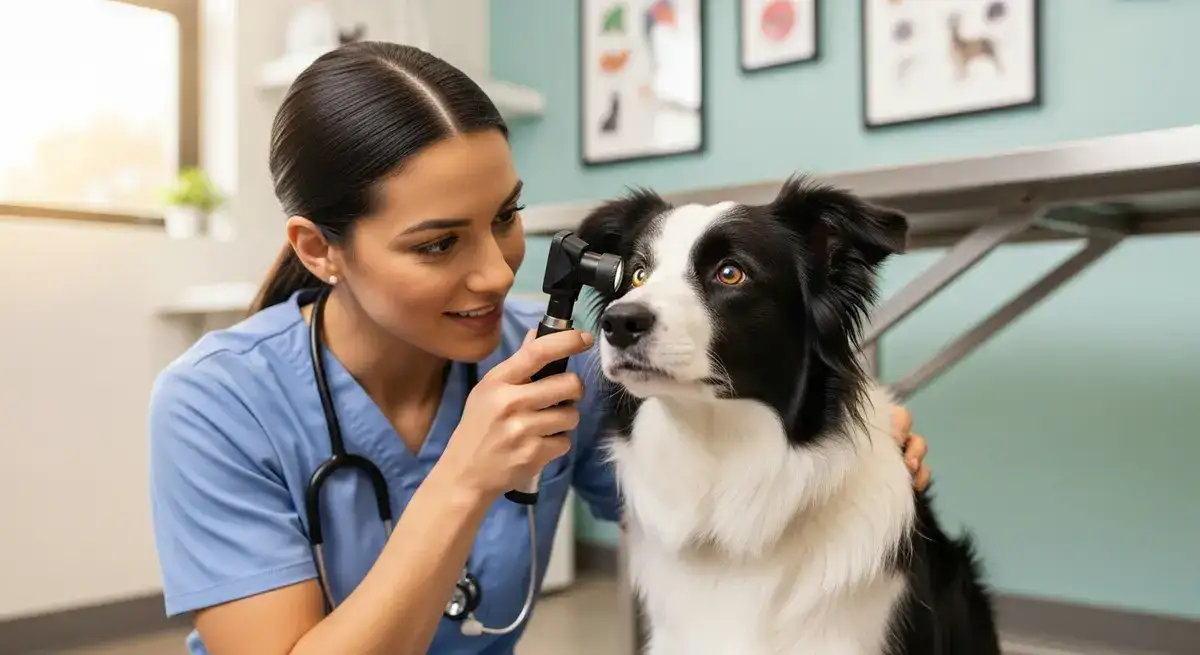
Understanding Border Collie Health and Genetic Risks
When you look at a Border Collie, you see a machine built for motion. They are the Olympians of the dog world. They are agile, intense, and seemingly tireless. But that legendary “workaholic” spirit is a double-edged sword for Border Collie health.
Historically, shepherds bred these dogs for one thing: function. They didn’t care about coat color. They cared if the dog could run 50 miles a day over rough terrain. This created a breed that is generally robust and hardy. However, their intense drive to work often masks pain. A Border Collie will keep running on a sore leg because their brain tells them “the job isn’t done.“
As an owner, you must be the one to say “stop.” We need to shift our mindset. Stop being reactive (rushing to the vet when something breaks). Start being preventative. Whether you are researching the breed or watching your dog age, understanding their unique genetics is the key to a longer, happier life.
Table of Contents

The “Big Three”: CEA, Hip Dysplasia, and Epilepsy
This breed is tough. However, they have three major Achilles’ heels. Every owner must know these risks.
Joint and Mobility Issues: Border Collie Hip Dysplasia Symptoms
Hip dysplasia occurs when the hip joint develops poorly, causing the ball and socket to grind against each other rather than fit perfectly. Over time, this friction leads to arthritis and severe pain. This is not just an “old dog” disease. It can strike young dogs too.
Early Warning Signs Checklist
| Sign | Description |
|---|---|
| The “Bunny Hop” | Running with both back legs moving together (like a rabbit) instead of independently. |
| Hesitation | A sudden reluctance to perform routine tasks like jumping into a car or climbing stairs. |
| Morning Stiffness | Moving slowly or stiffly for the first few minutes after waking up. |
| Shifted Weight | Standing with back legs close together to shift weight forward onto front paws. |
Management Tips: Keep your dog lean. This is the single most effective “treatment” you can do at home. Specialists at Veterinary Partner confirm that “keeping dogs with hip dysplasia on the leaner side is often helpful for controlling signs,” as excess weight multiplies the force on damaged joints. Low-impact exercise is also crucial. Avoid repetitive fetch on hard pavement. Instead, try swimming or controlled walks on grass. Many vets also recommend starting a joint supplement with Glucosamine and Chondroitin early.
Eye Conditions: Collie Eye Anomaly (CEA)
Collie Eye Anomaly (CEA) is practically synonymous with the breed. It is a genetic mutation. It affects how the choroid (the layer of blood vessels under the retina) develops. Think of it like a house built with missing insulation in the walls.
- What it means: For many dogs, this is mild. It never affects their quality of life. However, severe cases cause “colobomas” (holes in eye structures). This can lead to retinal detachment and blindness.
- Living with Vision Loss: The good news is that CEA is not painful. Dogs adapt incredibly well. If your Collie loses vision, keep your furniture layout consistent. Use textured rugs to signal “safe zones” or stairs. The resilient temperament of the Border Collie is resilient. They often continue to play and navigate confidently using their hearing and smell.
Neurological Issues: Sudden Seizure in Border Collie
This is perhaps the most frightening condition for owners. Idiopathic Epilepsy (seizures with no known cause) is unfortunately common in the breed.
The “Pandemic Puppy” Spike: Recent veterinary trends show a rise in diagnoses among dogs aged 3–5 years. This is the exact age bracket of “pandemic puppies” bought in 2020-2021. Dr. Chris Jenkins, a researcher at the Canine Genetics Centre, notes that epilepsy is “likely to have a complex mode of inheritance.” This makes it a top priority for current genetic research.
- Stay Calm: Your dog is unconscious. They are not in pain.
- Clear the Area: Move furniture away. Don’t let them hit their head.
- Time It: If it lasts longer than 5 minutes, it is an emergency (Status Epilepticus). Go to the vet immediately.
- Do NOT Touch the Mouth: They cannot swallow their tongue. However, they can accidentally bite you.
Hidden Genetic Risks: Decoding MDR1, TNS, and NCL
Physical signs are easy to spot. But some risks hide in your dog’s DNA.
The MDR1 Gene Mutation: Is the MDR1 Gene Common in Border Collies?
The MDR1 gene (Multi-Drug Resistance 1) mutation is a critical safety issue. It causes a defect in the “blood-brain barrier.” This allows certain drugs to flood the brain at toxic levels. According to Washington State University—the institution that discovered the mutation—dogs with this defect “may have severe adverse reactions, including tremors, disorientation, blindness, severe muscle weakness, and death” if treated with common drugs like Ivermectin.
- Why It Matters: Common drugs like Ivermectin (heartworm preventative) or Imodium (anti-diarrheal) can be dangerous. They cause seizures, coma, or death in MDR1-positive dogs.
- Testing: You don’t need a vet visit for this. Simple cheek swab kits are available online. If your dog has not been tested, treat them as “positive” until you know otherwise.
TNS and NCL: Immune and Brain Disorders
| Condition | System Affected | Description & Key Risks |
|---|---|---|
| Trapped Neutrophil Syndrome (TNS) | Immune System | Bone marrow produces white blood cells but cannot release them. Risk: Simple scratches or minor infections can become life-threatening. |
| Neuronal Ceroid Lipofuscinosis (NCL) | Nervous System | A fatal metabolic disorder. Risk: Often misdiagnosed as psychological issues (aggression, hallucinations) before rapid physical decline. |
Is It Bad Behavior or a Border Collie Health Issue?
Border Collies are complex creatures. Sometimes, “acting out” is actually a cry for help.
The Mental-Physical Link
These dogs are stoic. They often express physical discomfort through behavioral changes. A sudden snap when being brushed might not be aggression. It could be arthritis in the hips.
OCD vs. Neurological Issues: Border Collie Staring at Nothing
It is hard to tell the difference between a bored dog and a sick one.
| Behavior Type | Examples | Key Difference (Interruptibility) | Root Cause |
|---|---|---|---|
| Boredom / Anxiety | Shadow chasing, fly snapping, light obsession | Interruptible. Stops if you offer a task or distract them. | Lack of adequate mental stimulation. |
| Neurological | “Star gazing,” rhythmic trembling, “air biting” | Not interruptible. The dog physically cannot stop. | Focal seizure or NCL. |
Action Step: If your dog develops a sudden new behavior, consult a vet first. Rule out the physical pain before you hire a trainer. You can read more about their unique quirks in our guide to comprehensive history and care guide.
The Financial Reality: How Much Does Border Collie Health Care Cost?
Owning a high-energy breed isn’t just a time commitment. It is a financial one. Below is a breakdown of estimated costs for 2024-2025 based on current veterinary data.
| Condition / Procedure | Type of Care | Estimated Cost (USD) |
|---|---|---|
| Hip Dysplasia Surgery (FHO) | Reactive (One-time) | $1,200 – $2,500 per hip |
| Total Hip Replacement | Reactive (Gold Standard) | $5,000 – $7,000 per hip |
| Epilepsy Medication | Chronic Management | $50 – $200 per month |
| DNA Health Panel | Preventative (One-time) | $100 – $150 |
| Joint Supplements | Preventative (Monthly) | $30 – $60 per month |
Insurance Advice: A single hip surgery can cost upwards of $5,000. Pet insurance is highly recommended. Look for policies that cover hereditary conditions. Ensure they do not have breed-specific exclusions for hip dysplasia.
Border Collie Life Expectancy and Aging
There is good news on the horizon regarding longevity.
The New Data
For years, the standard life expectancy was a broad “12–15 years.” However, a 2024 study of UK veterinary records provides specific optimism. It places the median life expectancy for Border Collies at 13.1 years. This is significantly higher than the average for many other purebred dogs (12.7 years).
Old Age Problems
Common Age-Related Issues in Border Collies:
Cancer: Sadly, cancer (specifically hemangiosarcoma and lymphoma) remains a leading cause of death. Check for lumps regularly during grooming sessions and consult your vet if you notice anything unusual.
Hearing Loss: Very common as dogs age. Hand signals trained early in life become invaluable for communication.
Arthritis: Almost inevitable in active dogs. Regular exercise, joint supplements, and weight management can help manage symptoms.
For more on how their size impacts their aging process, check out our article on growth and size information.
Prevention: Keeping Your Herding Dog Healthy
Nutrition: Do Border Collies Have Sensitive Stomachs?
Food is fuel. A working dog energy needs burns 2,000 calories a day. They need a different fuel source than a “couch potato” pet.
Border Collie Diet Essentials:
- Protein is King: Look for named meat sources (e.g., “Chicken Meal” or “Deboned Lamb”) as the first ingredient in their food.
- The Diet Debate: You may choose high-quality kibble or a raw diet. The goal is balance. Raw diets can be excellent for reducing inflammation, but you must follow safety guidelines to avoid bacterial risks.
- Weight Control: Keep them lean. You should be able to feel their ribs easily but not see them.
Screening and DNA Testing
Are you buying a puppy? Demand to see the parents’ health clearances. A simple “vet check” is not enough.
What to Look for in a Healthy Border Collie Breeder:
- OFA/PennHIP Scores: For hip health.
- CEA/CL/TNS Clearances: DNA proof that the parents are not carriers of Collie Eye Anomaly (CEA), Ceroid Lipofuscinosis (CL), or Trapped Neutrophil Syndrome (TNS).
Rescuing? At-home DNA kits are a fantastic investment. Knowing your rescue dog is MDR1 positive could literally save their life during a routine vet visit.

Frequently Asked Questions
What is the most common cause of death for Border Collies?
According to veterinary surveys, cancer (specifically hemangiosarcoma and lymphoma) and complications from old age are the leading causes.
How do I know if my Border Collie has hip dysplasia?
Look for the “bunny hop” run. Watch for difficulty rising from a nap or a reluctance to jump. A definitive diagnosis requires an X-ray under sedation.
Is the MDR1 gene common in Border Collies?
Yes, it is prevalent in herding breeds. It is less common in Border Collies than in Australian Shepherds. However, it affects enough of the population that testing is mandatory for safety-conscious owners.
What are the symptoms of Collie Eye Anomaly?
Mild cases have no symptoms. Severe cases may show “sunken” eyes (enophthalmia). Sudden blindness can occur if the retina detaches. A vet needs to dilate the eye to see the defects.
Do Border Collies have sensitive stomachs?
Many do. Their high-strung, anxious nature can lead to stress-colitis (diarrhea triggered by stress). Keeping a consistent diet and routine helps.
Conclusion: Proactive Management for Border Collies’ Health
Border Collies are not fragile. They are resilient, tough working dogs. They have survived harsh conditions for centuries. However, modern science has given us a map to the hidden “landmines” in their genetics.
Understanding the risks of Border Collies health – from the MDR1 gene to joint care—changes everything. You move from being a worried owner to an empowered one. You can’t prevent every issue. But with the right diet, early screening, and observant care, you can ensure your best friend stays by your side. Keep them chasing balls and herding family members for as long as possible.
Leave a Reply
You must be logged in to post a comment.