

How Long Do Border Collies Live?
When you bring home a new puppy, you want every moment to count. A common question for new owners is, how long do Border Collies live?
Border Collie Lifespan at a Glance
| Trait | Average |
|---|---|
| Average lifespan | 12–15 years |
| Senior age begins | 8–9 years |
| Common health risks | Hip dysplasia, PRA, epilepsy |
| Best longevity factors | Exercise, lean weight, mental stimulation |
On average, the Border Collie lifespan is between 12 and 15 years. This is a very healthy range for a medium-sized dog. In fact, many of these dogs live well into their teens.
One Border Collie reportedly lived to 27 years old. This shows just how hardy and strong this breed can be. They often outlive other working breeds of a similar size.
Their long life is partly due to their history as farm workers. Breeders focused on health and stamina rather than just looks. This resulted in a dog that is naturally fit and sturdy.
Their high energy levels also play a big role in their overall health. These dogs love to run, jump, and work. This constant activity keeps their hearts and muscles in great shape.
Staying active helps prevent many Border Collie health issues. For example, regular exercise keeps their weight down. This puts less stress on their joints as they get older.
Compared to other breeds, Border Collies are very resilient. They usually face fewer genetic problems than heavy-set or flat-faced dogs. Their athletic build helps them stay mobile for a long time.
To help your dog live a long life, focus on a good diet. Pair this with plenty of mental and physical puzzles. A busy Border Collie is usually a healthy and happy dog.
Border Collie Lifespan. Key Takeaways
- Border Collies typically live between 12 and 15 years, making them one of the longer-living medium-sized dog breeds.
- Strong genetics, regular exercise, proper nutrition, and preventive veterinary care all play major roles in increasing a Border Collie’s lifespan.
- Common Border Collie health issues include hip dysplasia, Collie Eye Anomaly (CEA), Progressive Retinal Atrophy (PRA), epilepsy, and arthritis.
- Daily physical activity and mental stimulation are essential for maintaining both physical and emotional health in this highly intelligent breed.
- Keeping your Border Collie at a healthy weight helps reduce stress on joints, improves heart health, and lowers the risk of chronic disease.
- Senior Border Collies may show signs of aging such as slower recovery, stiffness, cloudier eyes, hearing loss, reduced stamina, and changes in sleep patterns.
- Routine veterinary checkups, dental care, and early health screenings can help detect problems before they become serious.
- Joint supplements like glucosamine, chondroitin, and omega-3 fatty acids may help support mobility and comfort as your dog ages.
- Border Collies thrive when they stay mentally engaged through training, puzzle toys, games, and interactive activities.
- A loving, active, and safe environment can significantly improve your Border Collie’s quality of life and help them enjoy healthier senior years.

Table of Contents
Top Factors Influencing a Border Collie’s Life Expectancy
A long life for your dog does not happen by accident. Many factors affect how many years you will spend together. Here are the main things that influence a Border Collie’s health and longevity.
Genetic Heritage and Smart Breeding
Health starts with a dog’s DNA. Responsible breeders screen for common border collie health issues before they mate two dogs. They test for problems like hip dysplasia and eye diseases. When you choose a breeder who shares health records, you give your dog a better head start. Starting with strong genetics helps your dog avoid many preventable illnesses later in life.
High-Quality Nutrition and Weight Control
What you put in the food bowl matters. Your dog needs a balanced diet with high-quality proteins and healthy fats. It is also vital to manage their weight closely. Being overweight is a major risk for active dogs. Extra weight puts stress on their organs and joints. You should be able to feel your dog’s ribs without seeing them. A lean dog often lives longer and feels better.
Daily Exercise and Heart Health
Border Collies have a natural drive to move. Daily physical exercise keeps their heart and lungs in top shape. This is called cardiovascular health. Activities like running, swimming, or playing fetch are great. Regular movement helps prevent obesity. It also keeps their muscles strong as they age. An active dog is much more likely to have a healthy heart in their senior years.
Mental Challenges and Stress Relief
A bored Border Collie is often a stressed dog. These dogs are very smart and need a job to do. Mental stimulation keeps their brains young and sharp. You can use food puzzles or teach them new tricks to keep them busy. Lower stress levels may contribute to overall well-being.

Common Health Issues and Prevention
Even the heartiest dogs can face health challenges. Understanding these risks helps you act fast. Early action often leads to a longer, more comfortable life for your pet.
Protecting Their Vision
Eye health is a major concern for this breed. Many owners screen for Collie Eye Anomaly (CEA) when their dog is still a puppy. This is a genetic condition that affects the back of the eye. You should also ask your vet about Progressive Retinal Atrophy (PRA). This disease causes the eyesight to fade slowly over time. Annual eye exams can catch these changes before they become severe.
Maintaining Strong Joints
Because they are so active, Border Collies can develop hip dysplasia. This happens when the hip joint does not fit together perfectly. You can manage this through early detection and X-rays. Watch how your dog moves during their daily work or play. If they start to “bunny hop” or seem stiff, they may need a checkup. Keeping your dog at a healthy weight is the best way to protect their joints.
Understanding the MDR1 Gene
Some Border Collies have a sensitivity to common medications. This is caused by a mutation in the MDR1 gene. This mutation allows certain drugs to enter the brain, which can be very dangerous. A simple DNA test can tell you if your dog has this sensitivity. According to the American Kennel Club, knowing your dog’s genetic status is vital for safe treatment. Always tell your vet if your dog carries this gene before they prescribe flea or heartworm medicine.
Monitoring Neurological Health
Idiopathic epilepsy is another condition to watch for in young adults. This is a brain disorder that causes sudden seizures. You might notice your dog shaking or staring into space for a few minutes. While it sounds scary, many dogs live full lives with the right care. Keep a “seizure diary” to track any unusual behavior. This helps your vet decide if your dog needs medicine to stay balanced.

Life Stages of a Border Collie
Every stage of a Border Collie’s life requires different care. By meeting their needs as they grow, you help them reach their full potential. Here is what to expect during each phase of your dog’s journey.
Puppyhood: Building a Foundation for a Long Life
The first 12 months are vital for a healthy future. During this time, your puppy’s body grows at a rapid pace. Feed them high-quality puppy food to support their developing bones. This prevents growth spurts that are too fast, which can hurt their joints later.
Puppyhood is also the best time for training and socialization. Learning new skills now builds a strong bond between you and your dog. It also helps reduce anxiety as they get older. A happy, confident puppy often grows into a resilient adult. Keep their exercise light to protect their soft, growing joints.
The Adult Years: Maintaining Peak Physical Condition
Once your dog turns two, they enter their prime. This is the most active part of the Border Collie lifespan. Your main goal now is consistency. They need daily physical tasks to keep their heart and muscles strong. This might include hiking, agility training, or long games of fetch.
During these years, keep a close eye on their weight. Even a few extra pounds can put stress on their body. Regular vet visits are important to monitor their dental health and organ function. According to the American Kennel Club, keeping your dog engaged and fit during this stage sets the tone for their senior years.
Senior Care: Adjusting for Aging Joints
Border Collies usually enter their senior years around age eight or nine. You will notice them slowing down and sleeping more. This is the time to switch to a senior-specific diet. These foods often have fewer calories and added supplements for joint health.
Exercise is still important, but it should be lower impact. Replace long runs with steady walks on soft grass. You can also make your home more comfortable for an older dog. Put rugs on slippery floors to help them keep their balance. Keeping your senior dog comfortable and mentally active helps them enjoy their golden years to the fullest.
Many Border Collies remain playful well into their senior years if they continue receiving regular exercise and mental enrichment.

Actionable Tips for Increasing Longevity
You can take simple steps to help your dog live a longer, better life. Small changes in their daily routine make a huge difference. Here is how you can boost your Border Collie lifespan through proactive care.
Schedule Routine Vet Visits and Bloodwork
Annual checkups are about more than just vaccines. Ask your vet for regular blood tests to check internal organ health. These tests can find hidden Border Collie health issues before they become serious. Early detection of kidney or liver problems often allows for easier treatment.
Professional exams also help track your dog’s baseline health. This makes it easier to notice small changes in their weight or heart rate. Consistent records allow you to stay ahead of the aging process. You can learn more about preventive care and screenings from the American Kennel Club.
Prioritize Dental Hygiene
A clean mouth is a gateway to a healthy body. Bacteria from gum disease can enter the bloodstream and travel to the heart. This can cause “systemic infections” that damage vital organs. Brushing your dog’s teeth daily is the best way to prevent this risk.
If brushing is hard, use dental chews or water additives. Watch for red gums or bad breath, as these are signs of trouble. Keeping their teeth clean helps your dog live a more comfortable life. It also prevents expensive and risky dental surgeries later on.
Use Targeted Joint Supplements
Border Collies are famous for their speed and agility. This high-impact lifestyle can eventually wear down their joints. Adding Glucosamine and Chondroitin to their diet helps repair cartilage. These supplements keep your dog moving smoothly as they age.
Omega-3 fatty acids are also very beneficial for active dogs. These healthy fats reduce inflammation and keep the coat shiny. They also support brain health, which is vital for this smart breed. Start these supplements early to protect their mobility for years to come.
Focus on Environmental Safety and Injury Prevention
Active working dogs are prone to accidental injuries. Torn ligaments or broken bones can happen during high-speed chases. Always warm up your dog’s muscles before a game of fetch or agility training. This helps prevent sudden muscle strains or ACL tears.
Check your yard for hazards like deep holes or sharp fences. Use ramps if your senior dog has trouble getting into the car. By preventing injuries, you avoid the long-term pain that can shorten a dog’s life. A safe environment allows your Border Collie to stay active and happy into their teens.
Lifespan Comparison
| Breed | Average Lifespan |
|---|---|
| Border Collie | 12–15 years |
| Labrador Retriever | 10–12 years |
| Australian Shepherd | 12–15 years |
| German Shepherd | 9–13 years |
Compare lifespans across more breeds

Signs Your Border Collie Is Aging
Even the most energetic Border Collie will eventually begin to slow down with age. Many owners notice subtle changes long before their dog officially becomes a senior. Learning to recognize these signs early helps you adjust their care routine and keep them comfortable for years to come.
Slower Recovery After Exercise
Young Border Collies can run for hours and bounce back quickly. Older dogs often need more time to recover after intense activity. You may notice your dog resting longer after walks, agility sessions, or games of fetch. This slower recovery is usually linked to aging muscles and joints.
Giving your dog extra rest days and switching to lower-impact activities can help prevent strain and discomfort.
Cloudier Eyes and Vision Changes
As Border Collies age, their eyes may begin to look slightly cloudy or bluish. Mild cloudiness can be a normal part of aging, but sudden vision changes should always be checked by a veterinarian.
Some senior dogs may become hesitant around stairs or unfamiliar spaces. Others may bump into furniture or struggle in low light. Regular eye exams help detect conditions like cataracts or Progressive Retinal Atrophy (PRA) early.
Joint Stiffness and Reduced Mobility
Stiffness is one of the most common signs of aging in active breeds. Your Border Collie may take longer to stand up after resting or appear stiff during cold mornings.
You might also notice:
- slower jumping ability
- reluctance to climb stairs
- difficulty getting into the car
- shorter stride length during walks
Joint supplements, soft bedding, and controlled exercise can help maintain mobility and comfort.
Reduced Stamina and Energy Levels
Senior Border Collies still enjoy activity, but their endurance naturally decreases with age. They may stop playing sooner or choose shorter walks than they once enjoyed.
This does not mean they no longer want to exercise. Instead, older dogs often prefer gentler activities with more frequent breaks. Mental stimulation remains just as important during this stage of life.
Hearing Loss and Reduced Responsiveness
Some aging Border Collies gradually lose part of their hearing. You may notice your dog:
- ignoring commands they once followed instantly
- sleeping through household noise
- becoming startled when approached from behind
Hearing loss can develop slowly, making it easy to miss at first. Using hand signals and maintaining visual communication helps senior dogs stay confident and connected.
Changes in Sleep Patterns
Older dogs usually sleep more than younger adults. Your Border Collie may nap more often during the day or become restless at night.
Some senior dogs wake more frequently, pace around the house, or struggle to settle comfortably. Providing orthopedic bedding and maintaining a consistent routine can improve sleep quality.
Why Early Detection Matters
Aging itself is not a disease, but sudden behavioral or physical changes should never be ignored. Small signs can sometimes point to underlying health issues that are easier to manage when caught early.
By monitoring your Border Collie closely and scheduling regular veterinary checkups, you can help them stay active, comfortable, and happy throughout their senior years.

Glossary and Terms
ACL Tear
An injury to the anterior cruciate ligament in a dog’s knee. It can cause pain, limping, and difficulty walking, especially in active breeds like Border Collies.
Agility Training
A fast-paced dog sport where dogs navigate obstacles such as jumps, tunnels, and weave poles. It helps keep Border Collies physically and mentally stimulated.
Arthritis
A condition that causes inflammation and stiffness in the joints. It is common in older dogs and can affect mobility and comfort.
Bloodwork
Laboratory testing of a dog’s blood to check organ function, infection, and overall health. Routine bloodwork helps detect problems early.
Border Collie Lifespan
The average length of time a Border Collie lives, usually between 12 and 15 years.
Cardiovascular Health
The health of the heart and blood vessels. Regular exercise helps maintain strong cardiovascular function in active dogs.
Cartilage
A flexible tissue that cushions joints and helps bones move smoothly. Cartilage damage can lead to arthritis and joint pain.
Collie Eye Anomaly (CEA)
A genetic eye disorder common in Collie-related breeds. It affects the development of the eye and can sometimes cause vision loss.
DNA Testing
A genetic screening process used to identify inherited health conditions or sensitivities in dogs.
Epilepsy
A neurological disorder that causes repeated seizures. Idiopathic epilepsy is one of the more common inherited conditions in Border Collies.
Genetic Screening
Health testing performed before breeding to reduce the risk of passing inherited diseases to puppies.
Glucosamine
A joint-support supplement commonly used to help maintain cartilage and mobility in aging dogs.
Hip Dysplasia
A condition where the hip joint develops improperly, leading to pain, stiffness, and arthritis over time.
Immune System
The body’s natural defense system protects against illness and infection.
Joint Supplements
Products containing ingredients like glucosamine, chondroitin, and omega-3 fatty acids that support joint health and mobility.
Mental Stimulation
Activities that challenge a dog’s brain, such as puzzle toys, obedience training, scent work, or learning new commands.
MDR1 Gene Mutation
A genetic mutation that causes sensitivity to certain medications. Dogs with this mutation can react dangerously to some drugs.
Mobility
A dog’s ability to move comfortably and freely without pain or stiffness.
Neurological Disorder
A condition affecting the brain, spinal cord, or nervous system. Epilepsy is an example of a neurological disorder.
Obesity
Excess body weight that increases the risk of joint strain, heart disease, and other health issues.
Omega-3 Fatty Acids
Healthy fats that help reduce inflammation, support brain health, and improve skin and coat condition.
Orthopedic Bedding
Specialized bedding designed to support joints and reduce pressure points for older or arthritic dogs.
Preventive Care
Routine healthcare practices such as vaccinations, dental cleaning, blood tests, and wellness exams are aimed at preventing disease.
Progressive Retinal Atrophy (PRA)
A genetic eye disease that gradually causes blindness due to degeneration of the retina.
Puppy Socialization
The process of safely introducing puppies to new people, animals, environments, and experiences to build confidence and reduce fear later in life.
Resilience
The ability to recover quickly from stress, illness, or physical challenges.
Senior Dog
A dog that has entered the later stage of life. Border Collies are often considered seniors around 8 to 9 years old.
Seizure Diary
A written record used to track seizure frequency, duration, and triggers to help veterinarians manage epilepsy.
Stamina
A dog’s ability to sustain physical activity over time without becoming overly tired.
Systemic Infection
An infection that spreads through the bloodstream and affects multiple organs or body systems.
Veterinary Checkup
A routine examination performed by a veterinarian to monitor a dog’s health and detect medical issues early.
Weight Management
Maintaining a healthy body weight through balanced nutrition and regular exercise to reduce health risks and improve longevity.

Frequently Asked Questions About Border Collie Lifespan
How long do Border Collies usually live?
Most Border Collies live between 12 and 15 years. With proper nutrition, exercise, preventive veterinary care, and healthy genetics, some can live even longer.
What is the oldest Border Collie ever recorded?
The oldest recorded Border Collie reportedly lived to 27 years old. While this is extremely rare, it highlights the breed’s strong overall health and resilience.
At what age is a Border Collie considered a senior?
Most Border Collies enter their senior years around 8 to 9 years old. During this stage, they may begin to slow down and require adjustments to exercise, diet, and joint care.
Are Border Collies healthier than other dog breeds?
Border Collies are generally considered one of the healthier medium-sized breeds. Their athletic build and working-dog history contribute to fewer structural problems compared to many modern companion breeds.
What health problems are common in Border Collies?
Some common Border Collie health issues include:
Hip dysplasia
Collie Eye Anomaly (CEA)
Progressive Retinal Atrophy (PRA)
Epilepsy
Arthritis in senior dogs
MDR1 drug sensitivity
Early screening and routine vet care help reduce long-term risks.
Does exercise help Border Collies live longer?
Yes. Regular exercise supports heart health, healthy weight management, strong muscles, and mental well-being. Border Collies thrive when they stay physically and mentally active throughout life.
Can Border Collies live comfortably indoors?
Yes, Border Collies can live indoors very successfully if they receive enough daily exercise and mental stimulation. They are highly people-oriented dogs and often prefer being close to their families.
Do male or female Border Collies live longer?
There is usually very little difference between male and female Border Collie lifespan. Overall health, genetics, lifestyle, and preventive care play a much bigger role than gender alone.
What is the best diet for a long Border Collie lifespan?
A balanced diet with high-quality protein, healthy fats, vitamins, and controlled calories is ideal. Keeping your Border Collie lean is one of the best ways to support long-term joint and heart health.
How can I help my Border Collie live longer?
You can improve your Border Collie’s lifespan by:
maintaining a healthy weight
providing daily exercise
offering mental stimulation
scheduling regular vet checkups
brushing their teeth regularly
using joint-support supplements when needed
preventing injuries during high-impact activities
Why do Border Collies slow down as they age?
As Border Collies age, natural wear on joints and muscles can reduce stamina and mobility. Senior dogs may need shorter walks, softer bedding, and more recovery time after exercise.
What are signs of aging in a Border Collie?
Common signs include:
slower recovery after exercise
cloudier eyes
joint stiffness
reduced stamina
hearing loss
sleeping more often
difficulty climbing stairs or jumping
Recognizing these changes early helps improve your dog’s comfort and quality of life.
Conclusion
Your Border Collie’s journey depends on a mix of good habits. Think of their health as a three-part puzzle. It needs the right food, plenty of exercise, and smart genetic choices. When these pieces fit together, your dog stays strong for many years.
A healthy life is about more than just physical care. The bond you share with your dog is a powerful tool. Lower stress levels may support overall immune health and well-being.
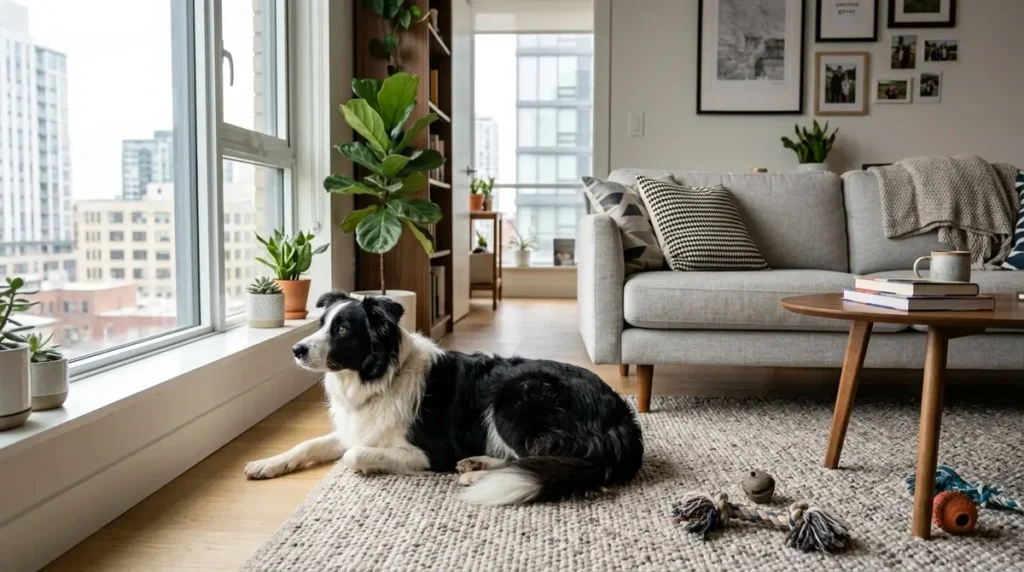
Spending time together also helps you learn your dog’s “normal.” You will notice small changes in their energy or movement much faster. Early detection is often the secret to a longer life. Being a proactive owner means you are always one step ahead of potential problems.
You can learn more about caring for this unique breed at the American Kennel Club. Every healthy choice you make today builds a better tomorrow for your pet. Enjoy every hike, every game of fetch, and every quiet moment together. Your dedication is the best gift you can give your Border Collie.
This article was researched using veterinary sources, breed health organizations, and canine care references. It is intended for educational purposes and does not replace professional veterinary advice.
Leave a Reply
You must be logged in to post a comment.