

Do French Bulldogs Shed?
Thinking about getting a French Bulldog? You might wonder if you need to buy a high-powered vacuum. Many people look at these small dogs and assume they don’t lose much hair.
Do French Bulldogs shed?
Yes, French Bulldogs shed year-round. They are low to moderate shedders, but they still lose noticeable hair – especially during spring and fall.
Let’s set the record straight right now. Many people ask, Are French Bulldogs hypoallergenic? The short answer is no. While they have very short hair, they are not a “poodle-like” breed that is safe for all allergy sufferers.
The American Kennel Club describes the Frenchie coat as short, smooth, and fine. They have a single-layered coat, which means they lack a thick, fuzzy undercoat. However, those tiny, stiff hairs still fall out and can get stuck in your rugs and clothes.
Potential owners must understand these shedding expectations before bringing a puppy home. Knowing the truth helps you prepare for the reality of pet ownership. You won’t be surprised when you find little white or brindle hairs on your favorite black pants!
Managing expectations is the first step to being a great dog parent. While they do shed, the amount is usually manageable with the right tools. We will show you how to handle it in the next sections.
Key Takeaways: Do French Bulldogs Shed?
- Yes, French Bulldogs shed year-round. They are considered low to moderate shedders, but their short hairs can still be noticeable.
- Shedding increases in spring and fall. Seasonal changes trigger heavier hair loss as their coat adjusts to temperature shifts.
- French Bulldogs are not hypoallergenic. They produce dander, which can trigger allergies despite their short coat.
- Their single-layer coat sheds less than double-coated breeds. Compared to breeds like Labradors or German Shepherds, Frenchies lose less fur overall.
- Diet plays a major role in shedding. Poor nutrition can lead to dry skin and increased hair loss, while Omega-3 and Omega-6 support a healthy coat.
- Excessive shedding may signal a problem. Allergies, parasites, stress, or hormonal issues can all increase hair loss.
- Regular grooming helps control shedding. Weekly brushing with a rubber grooming mitt removes loose hair before it spreads around your home.
- Bathing too often can make shedding worse. Overwashing strips natural oils, leading to dry skin and more hair loss.
- You can’t stop shedding completely—but you can manage it. Consistent care, proper diet, and a clean environment make a big difference.
- Simple home strategies keep fur under control. Daily cleaning, air purifiers, and furniture covers help reduce visible hair and dander.

Table of Contents
How Much Do French Bulldogs Shed?
Frenchies are year-round shedders. You will notice a steady stream of hair on your furniture. However, they also experience seasonal blowouts. This usually happens in the spring and fall. Your dog is simply adjusting its coat to the changing weather.
During these seasonal shifts, the hair loss increases. You might find yourself reaching for the vacuum every day. This is a normal process for most dogs with fur. It helps them stay cool in the summer and grow a fresh layer for the winter.
The Color Factor: Hidden vs. Visible Hair
The amount your dog sheds often depends on what you can see. The color of your Frenchie’s coat plays a huge role in this. For example, a fawn French Bulldog shedding is very obvious on dark blue jeans or black rugs.
If you have a cream-colored Frenchie, your dark clothes will quickly look fuzzy. Brindle Frenchies have dark coats that hide well on chocolate-colored carpets but stand out on white bedding. The hair is always there, but your home’s decor determines how much it bothers you!
Statistical Comparison: Frenchies vs. Other Breeds
How does a Frenchie compare to other dogs? On a shedding scale of 1 to 10, Frenchies usually sit at a 4. According to the PDSA, they are considered low to moderate shedders.
In contrast, a German Shepherd or a Labrador is a 10 out of 10. These breeds have double coats and lose massive amounts of fur. However, Frenchies still lose more hair than hair-growth breeds like Poodles or Bichon Frises.
To keep shedding at a minimum, focus on your dog’s internal health. A poor diet can lead to dry skin and more hair loss. Healthy skin means a stronger coat and less fur on your sofa.
| Breed | Shedding Level | Coat Type |
|---|---|---|
| French Bulldog | Low–Moderate | Short, single coat |
| Labrador Retriever | High | Double coat |
| German Shepherd | Very High | Double coat |
| Poodle | Very Low | Curly, hair-like |

Common Reasons for Excessive Shedding
While some hair loss is normal, you might notice your dog losing more than usual. This is often a sign that something is off. Understanding the why behind the fur can help you keep your home cleaner and your pup healthier.
Poor Nutrition and Diet
The quality of your dog’s food directly impacts their coat. If their diet lacks essential fatty acids like Omega-3 or Omega-6, their hair becomes brittle. Brittle hair breaks easily and falls out in large amounts.
Many cheap dog foods use fillers that don’t provide real nutrition. These ingredients can lead to dry, itchy skin. A balanced diet keeps the skin hydrated and the fur rooted firmly in the follicle.
Temperature and Seasonal Shifts
Frenchies are brachycephalic, which means they have flat faces. This makes it very hard for them to regulate their body temperature. Because they cannot cool down easily, their bodies react to the environment.
If your home is very warm, yo
ur Frenchie may shed more to stay cool. Even though they have short hair, they still react to the seasons. You will likely see a spike in French Bulldog shedding when the weather transitions from cold to warm.
Stress and Emotional Triggers
French Bulldogs are velcro dogs because they love being near their humans. They are very sensitive to their environment. High levels of stress or anxiety can cause a dog to “blow” their coat.
This often happens during big life changes. Moving to a new house or adding a new family member can trigger it. You might even notice extra hair on the table after a nervous visit to the vet. If your dog is constantly anxious, their coat will likely reflect that stress.
Medical Concerns and Allergies
While some hair loss is normal, you might notice your Frenchie losing more fur than usual. This can be a sign that something is off. Understanding the reasons behind excessive shedding can help you keep your home cleaner and your pup healthier.
Environmental Triggers and Allergies
French Bulldogs are prone to skin issues, and environmental triggers like pollen, dust, or mold can cause itching and hair loss. If your dog is scratching more than usual, allergies might be the culprit.
Parasites and Skin Inflammation
Parasites like fleas and mites are another major concern. These pests cause intense scratching, which can pull out healthy hair and damage the coat. According to the Cornell University College of Veterinary Medicine, allergies – including flea bite allergies – are a common cause of skin inflammation in pets, which often leads to coat problems such as hair loss and deterioration,
Hormonal Imbalances
Sometimes, hormonal issues like hypothyroidism can cause thinning hair or bald patches. If you notice unusual hair loss or red, irritated skin, it’s time to schedule a checkup with your vet. Addressing these issues early can prevent more serious health problems down the road.

Proven Strategies to Reduce Shedding
You cannot stop a Frenchie from shedding entirely. However, you can certainly keep the fur from taking over your home. With a few simple changes to your routine, you can keep their coat healthy and your carpets clean.
The Best Grooming Tools: Mitts vs. Slickers
Choosing the right brush is the first step. For French Bulldogs, a rubber grooming mitt or a curry brush is your best friend. These tools have soft rubber nubs that act like a magnet for loose hair. They also massage the skin, which feels great for your dog.
Slicker brushes have fine wire bristles. While great for fluffy dogs, they can be too sharp for a Frenchie’s thin coat. Because Frenchies have very little padding, a wire brush might scratch their skin. Stick to rubber tools to pull away dead hair without causing any pain.
Bathing Frequency: The “Less is More” Rule
It is tempting to wash your dog every time they get a little dusty. However, bathing your Frenchie too often can actually increase shedding. Frequent soapy baths strip away the natural oils that keep the skin supple. This leads to dry, flaky skin and brittle fur.
Aim to bathe your Frenchie once every four to six weeks. Always use a gentle, pH-balanced dog shampoo. If your pup gets muddy between baths, simply wipe them down with a damp cloth or a pet-safe wipe. This keeps them fresh without drying out their coat.
The Role of Omega-3 and Omega-6 Supplements
Healthy fur starts from the inside out. Adding Omega-3 and Omega-6 fatty acids to your dog’s diet can make a massive difference. These healthy fats strengthen the hair at the root. This means the hair stays in the follicle longer and falls out less often.
You can find these nutrients in fish oil or flaxseed oil supplements. According to VCA Animal Hospitals, these fatty acids also help reduce skin inflammation. A calm, hydrated skin barrier is the best defense against excessive fur loss.
Hydration and Coat Health
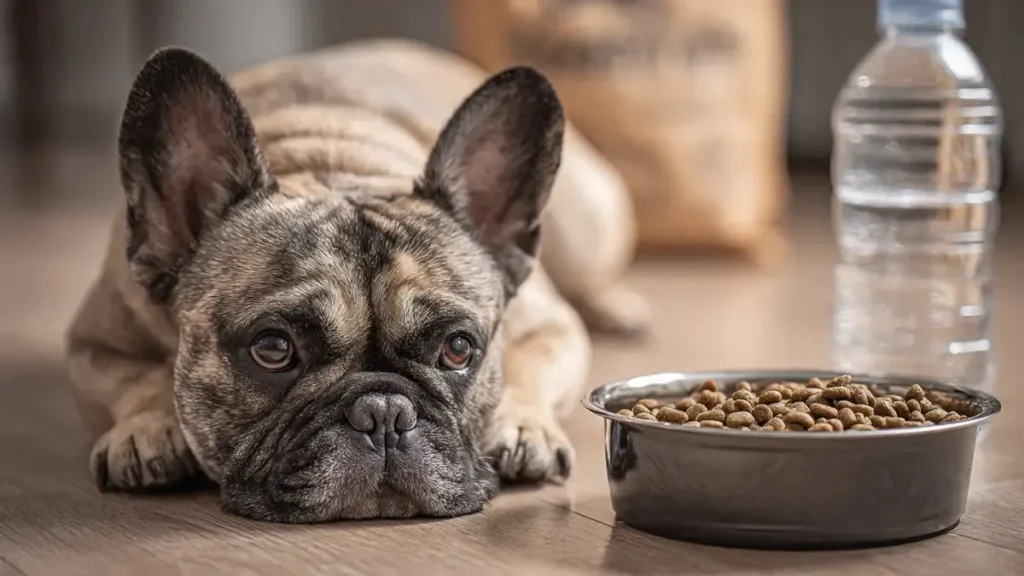
Water is a secret weapon in the fight against shedding. If a dog is dehydrated, their skin becomes tight and dry. This causes the hair to release and fall out much faster than normal. Always ensure your Frenchie has a bowl of fresh, clean water available.
Some dogs are picky about their water. If your pup isn’t drinking enough, try adding a little water to their dry kibble. Keeping them hydrated ensures their skin stays elastic and their coat remains shiny. Learning to spot signs of thirst or discomfort is easy if you spend time Understanding Dog Body Language. A happy, hydrated dog is a dog that sheds much less!
✅ Simple Weekly Routine to Reduce Shedding
- Brush your Frenchie 1–2 times per week
- Wipe coat between baths
- Check skin for irritation
- Keep water bowl fresh daily
- Vacuum high-traffic areas
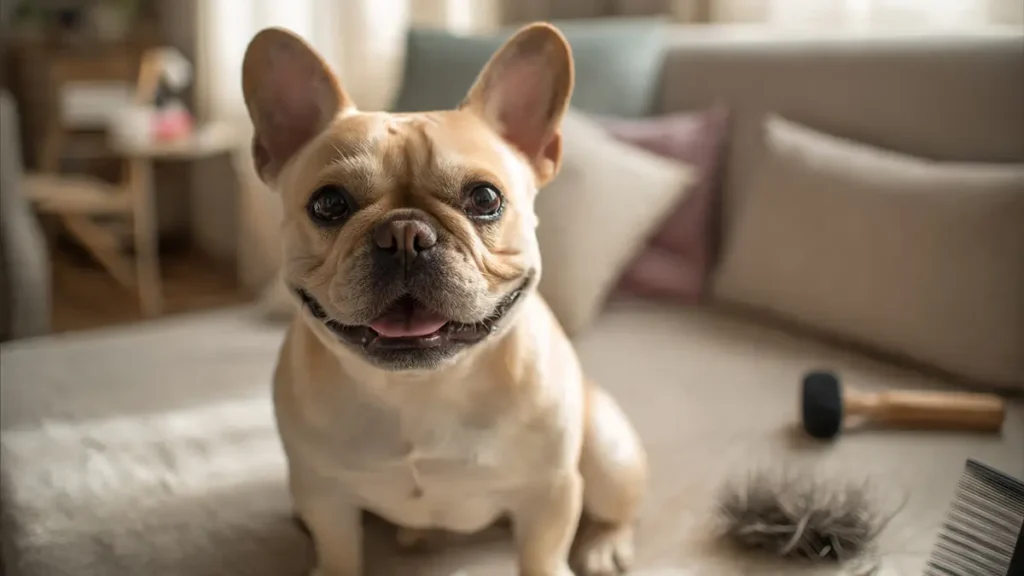
Managing Your Home with a Shedding Frenchie
You love your Frenchie, but you probably don’t love the fur glitter they leave behind. Those short, stiff hairs act like tiny needles. They stick to carpets and weave themselves into fabric. Keeping a clean house requires a smart strategy and the right tools.
Daily Cleaning and the Best Vacuums
A daily cleaning routine is the best way to stay ahead of the mess. Spend five minutes each day doing a quick sweep of the areas where your dog naps. This prevents hair from building up and becoming much harder to remove later.
When it comes to vacuums, not all machines are equal. Look for a vacuum specifically designed for pet hair with strong suction and a tangle-free brush roll. According to Consumer Reports, models with HEPA-certified filtration are best for pet owners, as True HEPA filters are rated to trap 99.97% of particles as small as 0.3 microns, including dust and pet dander.
Be careful with the cleaning products you use on your floors and rugs. Some floor cleaners contain chemicals that can irritate a dog’s paws or skin.
Clearing the Air with Purifiers
Frenchie hair is short, but they still produce dander. Dander is made of tiny bits of skin that can trigger allergies. This is where a high-quality air purifier becomes a game-changer for your living room.
Air purifiers pull air through a series of filters. They catch floating fur and microscopic dander before it lands on your furniture. For the best results, place the purifier near your dog’s favorite sleeping spot. This catches the hair right at the source.
Furniture Protection and Lint Roller Hacks
Protecting your furniture is much easier than cleaning it. Use stylish throws or fitted covers on your sofas and chairs. You can easily toss these into the washing machine once a week to get rid of odors and trapped fur.
For quick touch-ups, keep a lint roller in every room. A great “pro tip” is to use a damp rubber glove to clean your couch. Simply put on the glove and run your hand over the fabric. The rubber creates static and pulls the hair into easy-to-grab clumps.
If you have a lot of carpet, try using a carpet rake. These tools reach deep into the rug fibers to pull out hair that vacuums often miss. With these simple habits, you can enjoy your Frenchie without living in a house full of fur!

Glossary: French Bulldog Shedding Terms Explained
Shedding
The natural process where a dog loses old or damaged hair to make room for new growth. All dogs shed to some extent, including French Bulldogs.
Low to Moderate Shedder
A classification used to describe how much hair a dog loses. French Bulldogs fall into this category, meaning they shed consistently but not excessively compared to heavy-shedding breeds.
Single Coat
A coat type with only one layer of fur (no undercoat). French Bulldogs have a single coat, which results in less shedding than double-coated breeds but still produces noticeable hair.
Double Coat
A coat consisting of a soft undercoat and a protective outer coat. Breeds like Labradors and German Shepherds have double coats and shed much more heavily.
Seasonal Shedding
Periods (usually spring and fall) when dogs shed more heavily to adjust to changing temperatures. French Bulldogs experience mild seasonal shedding despite having short hair.
Dander
Tiny flakes of dead skin shed by animals. Dander can trigger allergies and is one reason French Bulldogs are not considered hypoallergenic.
Hypoallergenic
A term used to describe breeds that are less likely to trigger allergies. No dog is completely hypoallergenic, and French Bulldogs do not fall into this category.
Brachycephalic
A term describing dogs with short, flat faces (like French Bulldogs). This affects their breathing and temperature regulation, which can indirectly influence shedding patterns.
Omega-3 and Omega-6 Fatty Acids
Essential nutrients that support healthy skin and coat. A diet rich in these fats can reduce excessive shedding and improve fur quality.
Grooming Mitt (Rubber Brush)
A soft rubber tool used to remove loose hair from short-coated dogs like French Bulldogs without irritating their skin.
Slicker Brush
A brush with fine wire bristles designed for thick or long coats. It is generally not recommended for French Bulldogs due to their sensitive skin.
Parasites (Fleas & Mites)
External pests that can cause itching, irritation, and increased hair loss in dogs.
Allergies (Environmental & Food)
Reactions to substances like pollen, dust, or certain foods. Allergies often lead to scratching and excessive shedding.
Hypothyroidism
A hormonal condition where the thyroid gland is underactive. It can cause thinning hair, dry skin, and abnormal shedding.
HEPA Filter
A high-efficiency air filter that traps tiny particles like pet dander and dust. Useful for managing shedding in the home.

FAQ
Do French Bulldogs shed a lot?
French Bulldogs are considered low to moderate shedders, but they do shed year-round. While their short coat may seem minimal, their stiff hairs can be quite noticeable on furniture and clothing—especially during seasonal changes.
Are French Bulldogs hypoallergenic?
No, French Bulldogs are not hypoallergenic. According to the American Kennel Club, they have a short, single-layer coat that still produces dander, which can trigger allergies in sensitive individuals.
When do French Bulldogs shed the most?
French Bulldogs typically shed more during spring and fall. These seasonal shedding periods help them adjust their coat to warmer or cooler weather, resulting in increased hair loss for a few weeks.
Why is my French Bulldog shedding so much?
Excessive shedding in French Bulldogs can be caused by several factors, including:
Poor diet lacking Omega-3 and Omega-6 fatty acids
Allergies (environmental or food-related)
Stress or anxiety
Parasites like fleas or mites
Underlying health issues such as hormonal imbalances
If shedding seems unusual, consult a vet for proper diagnosis.
How can I reduce my French Bulldog’s shedding?
You can manage shedding with a few simple steps:
Brush weekly using a rubber grooming mitt
Feed a high-quality diet with essential fatty acids
Bathe every 4–6 weeks with a gentle dog shampoo
Keep your dog hydrated
Reduce stress and maintain a consistent routine
Consistent care makes a noticeable difference.
What is the best brush for a French Bulldog?
The best brush for a French Bulldog is a rubber grooming mitt or curry brush. These tools gently remove loose hair without irritating their sensitive skin, unlike slicker brushes which may be too harsh.
Can you stop a French Bulldog from shedding completely?
No, you cannot stop shedding entirely. Shedding is a natural biological process. However, with proper grooming and nutrition, you can significantly reduce the amount of loose hair in your home.
Do French Bulldogs shed more than Labradors or German Shepherds?
No, French Bulldogs shed much less than heavy-shedding breeds like Labradors or German Shepherds. According to the PDSA, Frenchies fall into the low-to-moderate shedding category, while double-coated breeds shed heavily year-round.
Is shedding a sign of a health problem in French Bulldogs?
Not always. Normal shedding is expected, but sudden or excessive hair loss, bald patches, or irritated skin could indicate:
Allergies
Skin infections
Parasites
Hormonal issues
Veterinary advice should be sought if symptoms appear abnormal.
Do French Bulldog puppies shed?
Yes, French Bulldog puppies do shed, but usually less than adults. As they grow and develop their adult coat, shedding may increase slightly, especially during seasonal transitions.
Should You Get a French Bulldog If You Hate Shedding?
If you’re extremely sensitive to pet hair, a French Bulldog may not be the best fit. While their shedding is manageable, their short, stiff hairs cling to fabrics and are harder to remove than longer fur.
Conclusion: Embracing the Frenchie Life
Owning a Frenchie means accepting a bit of fur on your clothes. It is a small price to pay for such a loyal and funny friend. You just need to stay on top of their simple maintenance needs.
Keep a rubber mitt handy for a quick weekly brushing session. This easy step removes loose hair before it even hits your floor. You can also use this time to check their skin for any unusual bumps or dry spots.
Consistency is the secret to a healthy coat and a clean home. If you are a first-time owner, start a grooming routine right away. This helps your puppy get used to being handled and kept tidy.
A healthy coat always starts with a happy dog. As noted by the Atlanta Humane Society, regular grooming sessions are not only the best way to bond with your pet but also help you spot potential health issues—like lumps, skin irritations, or parasites—long before they become serious.
Embrace the Frenchie life with open arms and a trusty lint roller. These dogs bring a massive amount of joy to any household. With the right tools and a little bit of effort, the shedding will be the last thing on your mind!
Written based on real-world experience and supported by research from veterinary and canine health organizations.
Leave a Reply
You must be logged in to post a comment.