

Introduction: Sharing the Bowl on Movie Night
Can dogs eat popcorn?
Yes, healthy adult dogs can eat a few pieces of plain, air-popped popcorn as an occasional treat. Avoid buttered, salted, caramel, and flavored popcorn, and never give your dog unpopped kernels because they can cause choking or dental injuries.
If you’re wondering Can my dog eat popcorn? or Is popcorn bad for dogs?, you’re not alone. This dog-safe popcorn guide will help you decide whether sharing your movie night snacks for dogs is a good idea.
Sharing fun food with our pets is a growing trend. A 2025 report from ADM Insights found that 73% of pet owners prioritize buying treats even when prices rise. We love to include our furry friends in our daily habits.
This love for treating pets has changed the market. The U.S. pet food industry reached a massive $51.7 billion in sales in 2024. Owners now look for fresh and functional snacks that do more than just taste good.
However, a popcorn for dogs movie night requires some caution. You must ask, Is popcorn safe for dogs when it has toppings? Unfortunately, the answer is usually no.
Can dogs eat buttered popcorn or can dogs have caramel popcorn? These versions are full of fat and sugar. Too much fat can cause a painful stomach issue called pancreatitis.
You should also be careful with the bottom of the bowl. Can dogs eat popcorn kernels? Hard, unpopped kernels are a choking hazard.
Kernels can also hurt your dog’s mouth. A study in Vet Times found that over half of dogs suffer from dental disease. Biting a hard kernel can easily crack a tooth.
If you do share, keep it simple. Purina experts suggest that treats should only be 10% of your dog’s daily calories. Stick to plain pieces to keep your best friend happy and healthy.
Popcorn for Dogs: The Quick Safety Guide
Can dogs eat popcorn? Yes – but only plain, air-popped popcorn and only in moderation.
- Yes – but only plain, air-popped popcorn and only in moderation. For healthy dog treats, this can be a safe option if prepared correctly.
- Avoid buttered, salted, caramel, and flavored popcorn, as these varieties contain ingredients that can upset your dog’s stomach or be harmful to their health.
- Never feed unpopped popcorn kernels. They can become a choking hazard and may damage your dog’s teeth or cause digestive problems.
- Keep portions small. Treats, including popcorn, should make up no more than 10% of your dog’s daily calories.
- Puppies should generally skip popcorn. Their smaller airways and sensitive digestive systems make choking and stomach upset more likely.
- Check ingredient labels carefully. Some flavored popcorn products may contain harmful ingredients such as excessive salt, butter, onion powder, garlic powder, or the artificial sweetener xylitol.
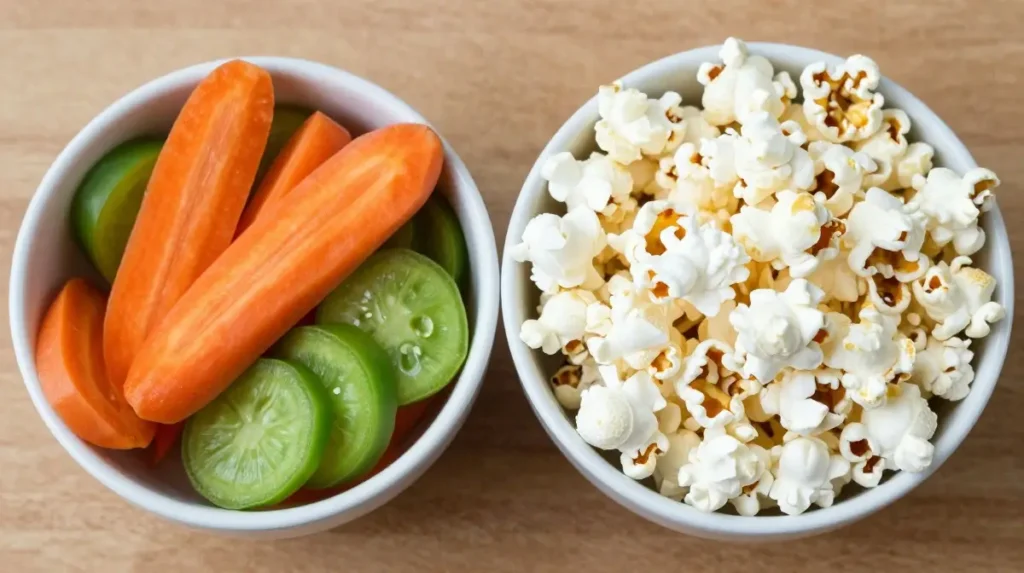
- Healthier crunchy alternatives include carrots and green beans, which provide fiber and nutrients without the risks associated with popcorn kernels.
- Contact your veterinarian if your dog eats a large amount of flavored popcorn or shows signs of choking, vomiting, diarrhea, lethargy, or difficulty breathing. For safe snacks for pets, consider alternatives to popcorn, like carrots or green beans.

Table of Contents
The Verdict: Is Plain Popcorn Healthy?
When you wonder Can dogs have popcorn?, the answer depends on how it’s prepared. For dog-safe popcorn, air-popped is the gold standard.
Oil-popped corn adds extra fat and calories, which can lead to canine digestive health issues like weight gain or upset stomachs. According to a 2026 JAVMA review, eating a large amount of fat at once is a major risk factor for pancreatitis in dogs.
You should also avoid microwave bags for your pet. Chewy notes that some microwave brands contain an additive called diacetyl. This chemical might cause breathing problems for your dog.
| Snack | Safe? |
|---|---|
| Plain popcorn | ✅ |
| Apples | ✅ |
| Blueberries | ✅ |
| Cucumber | ✅ |
| Potato chips | ❌ |
| Caramel popcorn | ❌ |
If you’re looking for other safe human foods for dogs, fruits such as apples and blueberries are often healthier choices than popcorn when served correctly.
Nutritional Benefits of Plain Kernels
Plain popcorn is more than just a crunchy filler. As part of a balanced dog nutrition plan, it can provide helpful nutrients.
It also provides a small amount of dietary fiber, making it a better option than many toxic foods for dogs filled with sugar or chemicals
However, these benefits only apply to plain, unseasoned popcorn without butter, salt, or other toppings.. While you might enjoy toppings. Can dogs eat buttered popcorn? No, because the salt and fat outweigh the nutrients. Similarly, Can dogs have caramel popcorn? No, because the high sugar content is bad for their teeth and blood sugar.
However, popcorn isn’t the only healthy snack. Fresh fruits such as blueberries, strawberries, and pineapple provide vitamins and antioxidants that many dogs enjoy.
Guidelines for Healthy Portion Sizes
When offering popcorn and dogs as a snack, you must watch the portion size to keep your dog at a healthy weight.
If you have a young dog, you might ask How much popcorn can a dog eat? For puppies, the answer is none – wait until they’re adults.
If you have a young dog, you might ask, Can puppies eat popcorn? It is better to wait until they are adults. Puppies have very sensitive stomachs and can choke on the hulls more easily.
| Dog Size | Portion |
|---|---|
| Under 15 lbs | 2–3 pieces |
| 15–40 lbs | 5–8 pieces |
| 40–70 lbs | Small handful |
| Over 70 lbs | One handful |
The Danger of Toppings: Butter, Salt, and Caramel
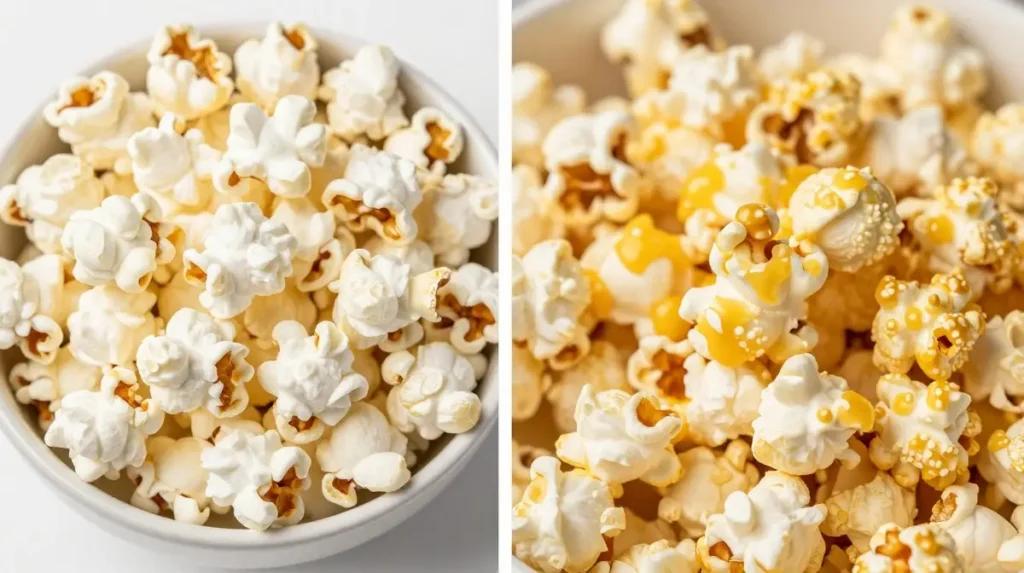
Buttered popcorn smells great, but it’s a major health risk for your pet. If you’re asking Is popcorn bad for dogs?, the answer is yes – when it has toppings.
Butter is packed with saturated fat, which can trigger pancreatitis in dogs – a painful and dangerous condition.
Too much salt can cause salt poisoning in dogs, a serious condition requiring immediate veterinary care.
Too much salt can cause salt poisoning. Signs of this include extreme thirst, vomiting, and even seizures. If your dog eats a large amount of salty popcorn, offer them plenty of fresh water and call your vet immediately.
Sweet versions are just as risky. So, Can dogs have caramel popcorn? No, because the high sugar levels lead to diabetes and dental rot over time.
Sweet versions are just as risky. Xylitol poisoning in dogs is a life-threatening emergency if your pup ingests this artificial sweetener.
According to Dogster, common flavorings like onion or garlic powder are toxic. These seasonings can actually damage a dog’s red blood cells.
Kernel Concerns: Dental Health and Choking Hazards
Even when the corn is plain, the ‘duds’ at the bottom of the bowl are a major dog choking hazard
Unpopped kernels also pose a risk for canine digestive health issues, such as intestinal blockages.
Protecting Your Dog’s Smile
Your dog’s dental health is more fragile than you might think. A March 2026 study found that 50.5% of pet dogs suffer from periodontal disease. This means over half of all dogs already have sensitive teeth or gums.
Biting down on a hard kernel can cause a tooth to fracture. These cracks are painful and often require surgery to fix. Since we already know Is popcorn safe for dogs only when it is soft, you must be careful. Hard shells can also get wedged between teeth, leading to infections.
Gum Damage and Puppy Safety
The thin, brown shells on popcorn are also a concern. These can slice into the gums or get stuck under the gumline. This causes irritation and allows bacteria to grow. If you ask, Can puppies eat popcorn? the risks are even higher for them.
Puppies have smaller mouths and developing teeth. They are much more likely to choke on a kernel or hurt their gums. Even if you think Can dogs eat popcorn as a treat, wait until your pet is an adult.
Always sort through your snack before sharing. Make sure every piece is fluffy and has no hard parts attached. This is especially important if you are tempted to ask, Can dogs eat buttered popcorn or Can dogs have caramel popcorn. Those sticky toppings make it even easier for hard kernels to hide in the bowl.
Age-Specific Advice: Can Puppies Eat Popcorn?
If you’re wondering Can puppies eat popcorn?, the answer is a firm no for most puppies. Their pet safety risks are much higher due to small airways and sensitive stomachs.
For healthy dog treats for puppies, stick to softer, easier-to-digest options like small pieces of apple or puppy-specific snacks
Tiny Throats and Choking Risks
Choking is a major concern for young pets and small breeds. Puppies have very narrow throats and tiny airways. Even a single fluffy piece of popcorn can get stuck if they swallow it too fast.
You should be especially careful with the bottom of the bowl. You may wonder, Can dogs eat popcorn kernels? For a puppy, these hard bits are very dangerous. They can cause a blockage or lead to a scary choking emergency.
According to the American Kennel Club (AKC), unpopped kernels are a serious risk. For a small puppy, even the “hulls” or thin brown shells can cause trouble. These shells can get stuck in their throat or hurt their delicate gums.
Protecting Puppy Nutrition
Puppies need specific nutrients to grow big and strong. Filling their bellies with snacks can ruin their appetite for healthy puppy food. Purina experts remind us that treats should never be more than 10% of a dog’s daily calories.
Since puppies are small, just a few pieces could quickly go over that limit. It is also important to remember the risks of flavorings. You may wonder, Can dogs eat buttered popcorn or Can dogs have caramel popcorn?
The answer is a firm no for puppies. Their tiny bodies cannot process high levels of fat, salt, or sugar. These ingredients can lead to a very upset stomach or worse. Stick to soft, puppy-safe treats such as small pieces of banana, blueberries, or apple, all served in moderation.
Dog-Safe Popcorn vs. Dangerous Popcorn: What Every Owner Needs to Know
| Type | Safe? | Why? |
|---|---|---|
| Plain air-popped | ✅ | Low fat and no seasonings |
| Plain oil-popped | ⚠ | Higher fat content |
| Buttered | ❌ | Too much fat |
| Salted | ❌ | Excess sodium |
| Caramel | ❌ | High sugar and possible xylitol |
| Cheese | ❌ | Fat and seasonings |
| Kernels | ❌ | Choking and dental risks |
What Should I Do If My Dog Ate Popcorn?
Emergency Guide: My Dog Ate Popcorn
- A few pieces of plain popcorn: Usually not a concern, but monitor for signs my dog ate bad popcorn, like vomiting or lethargy.
- A large amount of buttered or salty popcorn: This may require an emergency vet for popcorn ingestion—call your vet immediately.
- Caramel popcorn containing xylitol: Seek emergency veterinary care immediately.
- Choking, coughing, gagging, or difficulty breathing: Contact a veterinarian right away.
Glossary & Key Terms
Understanding these pet nutrition terms will help you make informed decisions about safe human food for dogs, like popcorn
Air-Popped Popcorn
Popcorn made using hot air instead of oil. This is the safest type of popcorn for dogs because it contains no added butter, salt, or seasonings.
Buttered Popcorn
Popcorn coated with butter or butter-flavored ingredients. It is not recommended for dogs because it contains excessive fat and often high amounts of sodium.
Caramel Popcorn
A sweet popcorn covered in caramel or sugar syrup. This variety is unsafe for dogs due to its high sugar content and the possible presence of harmful artificial sweeteners.
Flavored Popcorn
Popcorn that contains cheese, barbecue, ranch, spicy, garlic, onion, or other seasonings. Many flavorings can upset a dog’s stomach, and some ingredients may be toxic to dogs.
Unpopped Kernel
A hard corn kernel that did not fully pop. Dogs should not eat unpopped kernels because they can cause choking, dental fractures, or digestive blockages.
Popcorn Hull
The thin brown shell that surrounds the popped kernel. Hulls can become stuck between teeth or irritate a dog’s gums and throat.
Choking Hazard
An object that can block a dog’s airway. Unpopped kernels and large pieces of popcorn are potential choking hazards, especially for puppies and small breeds.
Dental Fracture
A cracked or broken tooth. Chewing hard popcorn kernels can damage a dog’s teeth and may require veterinary treatment.
Pancreatitis
A painful inflammation of the pancreas. Eating large amounts of fatty foods, such as buttered popcorn, can increase the risk of pancreatitis in some dogs.
Sodium
A mineral commonly found in salt. Too much sodium can cause excessive thirst, vomiting, and other health problems in dogs.
Xylitol
An artificial sweetener that is extremely toxic to dogs. Even small amounts can cause a dangerous drop in blood sugar and liver failure. Always check ingredient labels on sweet snacks.
Dietary Fiber
A nutrient that supports healthy digestion. Plain popcorn contains a small amount of fiber, but it should still be given only as an occasional treat.
Occasional Treat
A food given infrequently and in small amounts. Popcorn should be considered an occasional treat rather than a regular part of a dog’s diet.
10% Treat Rule
A common veterinary nutrition guideline stating that treats should provide no more than 10% of a dog’s daily calories, while the remaining calories should come from a complete and balanced dog food.
Digestive Blockage
A condition where something becomes stuck in the digestive tract. Swallowing multiple unpopped kernels may increase the risk of a blockage and can require veterinary care.
Veterinarian (Vet)
A medical professional who diagnoses and treats animals. Contact your veterinarian if your dog shows signs of choking, vomiting, diarrhea, lethargy, or difficulty breathing after eating popcorn.
Puppy-Safe Treat
A treat that is soft, easy to digest, and appropriate for a growing puppy. In most cases, plain popcorn is not considered an ideal puppy-safe treat.
Functional Treat
A snack that provides additional nutritional benefits beyond taste. Examples include carrots and green beans, which offer fiber and vitamins with fewer risks than popcorn.
Frequently Asked Questions
These dog nutrition questions are common among pet owners. Here’s what you need to know about popcorn and dogs.
Can dogs eat popcorn?
Yes, healthy adult dogs can eat plain, air-popped popcorn in moderation. It should be served without butter, salt, sugar, or other seasonings. A few pieces as an occasional treat are usually sufficient.
Is popcorn safe for dogs?
Plain, fully popped popcorn is generally safe for most dogs.
However, popcorn becomes unsafe when it contains:
Butter
Excess salt
Caramel or other sugary coatings
Cheese or spicy seasonings
Onion or garlic powder
Unpopped kernels
Can dogs eat buttered popcorn?
No, buttered popcorn is not recommended for dogs.
The high fat and salt content can cause digestive upset and may contribute to weight gain and pancreatitis, especially if eaten in large amounts.
Can dogs have caramel popcorn?
No, dogs should not eat caramel popcorn.
Caramel popcorn contains large amounts of sugar, and some products may include artificial sweeteners such as xylitol, which is extremely toxic to dogs.
Can dogs eat microwave popcorn?
It is best to avoid microwave popcorn.
Many microwave varieties contain added butter, oils, salt, and flavorings that are not suitable for dogs. Plain air-popped popcorn is the safer choice.
Can dogs eat popcorn kernels?
No, dogs should never eat unpopped popcorn kernels.
Hard kernels can become a choking hazard, damage teeth, or cause digestive problems if swallowed.
Can puppies eat popcorn?
Popcorn is generally not recommended for puppies.
Puppies have smaller airways and sensitive digestive systems, making choking and stomach upset more likely.
How much popcorn can I give my dog?
Only a small amount should be offered as an occasional treat.
Small dogs: a few pieces
Medium dogs: a small handful
Large dogs: a modest handful
Remember that treats should make up no more than 10% of your dog’s daily calories.
Can small dogs eat popcorn?
Yes, small dogs can have a few pieces of plain, air-popped popcorn.
Because of their smaller size, portion control is especially important, and all unpopped kernels should be removed.
What should I do if my dog ate buttered or flavored popcorn?
Monitor your dog for:
Vomiting
Diarrhea
Excessive thirst
Lethargy
Coughing or gagging
Difficulty breathing
Contact your veterinarian if symptoms develop, if your dog ate a large quantity, or if the popcorn may have contained xylitol or other harmful ingredients.
What are healthier alternatives to popcorn for dogs?
Some healthy crunchy treats include:
Carrot sticks
Green beans
Cucumber slices
Small pieces of apple (without seeds)
Dog-specific training treats
These options provide nutrients and fiber while avoiding the risks associated with popcorn kernels and unhealthy toppings.
What is the best popcorn for dogs?
Plain, air-popped popcorn is the only safe option. Avoid all toppings, seasonings, and unpopped kernels.
Are there popcorn alternatives for dogs?
Yes! Healthy dog treats like carrots, green beans, or cucumber slices provide crunch without the risks.
Can diabetic dogs eat popcorn?
Generally, not without veterinary approval because carbohydrate intake should be carefully managed.
Can senior dogs eat popcorn?
Older dogs may have weaker teeth and are at greater risk of dental fractures from hard kernels. Plain popcorn can still be offered occasionally if fully popped and approved by your veterinarian.
Conclusion: Safe Snacking and Alternatives
When deciding if popcorn and dogs can mix safely, remember that simple is always better. For safe human food for dogs, plain popcorn is one option—but there are even better choices.
Before your next movie night snacks for dogs, use this quick safety checklist:
- Is it air-popped? Avoid oil and microwave bags.
- Is it naked? Ensure there is no salt, butter, or seasoning.
- Are the duds gone? Double-check for unpopped bits.
- Is the portion right? Keep treats under 10% of their daily food.
Many owners now want healthy dog treats that offer more than just a crunch. If you’re concerned about safe snacks for pets, try these popcorn alternatives for dogs instead. If your dog enjoys healthy snacks, there are plenty of better choices than popcorn.
If you’re looking for healthier treats than popcorn, fruits like apples, blueberries, strawberries, pineapple, bananas, mandarins, and watermelon, along with vegetables such as cucumber and tomatoes, provide fiber, vitamins, antioxidants, and hydration without the risks associated with butter, salt, or hard popcorn kernels.

When to Call Your Veterinarian
Sometimes, a dog might sneak a snack they shouldn’t have. If you’re asking ‘what happens if a dog eats popcorn?’ and notice these symptoms, act fast
Be extra careful if they find a bag of caramel popcorn. Xylitol poisoning in dogs is a medical emergency, and pancreatitis in dogs can develop from fatty snacks like buttered popcorn.
This is especially important when asking Can puppies eat popcorn. Their small throats make choking on popcorn kernels much more likely. If your pet seems uncomfortable or stops eating, it is always best to seek expert advice. Sharing a snack should be fun, so keep it safe and plain!
Looking for more healthy snack ideas? Explore our complete guides to dog-safe fruits and vegetables to discover more nutritious treats your dog will love.
This article is intended for educational purposes and should not replace professional veterinary advice. If your dog has an underlying medical condition or develops symptoms after eating popcorn, consult your veterinarian promptly.
Leave a Reply
You must be logged in to post a comment.