
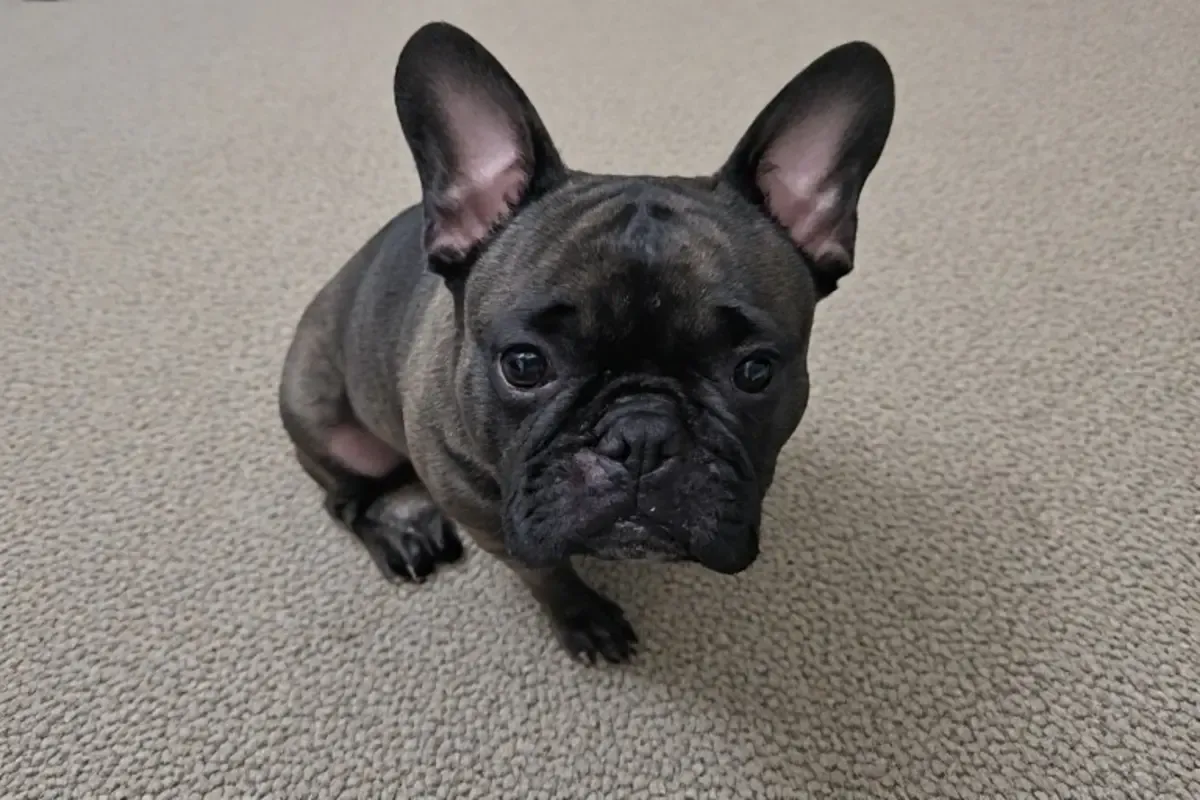
Introduction: The Frenchie Paradox
You see them everywhere. Their big ears and cute faces make them the stars of 2026. But if you have itchy eyes, you might ask:
Are French Bulldogs hypoallergenic?
No. French Bulldogs are not hypoallergenic. They produce dander, saliva proteins, and shed year-round, all of which can trigger allergies.
This creates a Frenchie Paradox. They are one of the most popular dogs in the world. However, they are also one of the toughest breeds for allergy sufferers to own. Many people think their short coats are safe. They often wonder, Do French bulldogs shed a lot? While their hair is short, they shed quite a bit. They also produce dander, which is the real cause of most sneezes.
Recent data shows a surprising link between the dog’s health and yours. A study of Frenchies in Germany found that 52% of the population suffers from allergies or hypersensitivities. This is a huge number. It means your dog is likely as itchy as you are.
Genetics plays a big role in this struggle. About 71% of French Bulldogs carry a specific gene called SLAMF1. This gene makes them twice as likely to have skin problems. When their skin gets irritated, they release more dander into your home. This makes French bulldog skin allergy symptoms a problem for both the pet and the parent.
If you are looking for the best dogs for allergy sufferers, a Frenchie might not be the first choice. But don’t lose hope just yet. You may still ask, can you live with a frenchie if you have allergies? It is possible with the right plan.
Can people with allergies own a French Bulldog?
Yes, but only with consistent grooming, HEPA air filtration, frequent cleaning, and appropriate allergy management. Individual reactions vary.
Managing the home environment is key. Many owners now use a French bulldog allergy treatment for owners, such as custom nasal sprays or air purifiers. Understanding the paradox is the first step toward a happy, sneeze-free home with your best friend.
The hypoallergenic myth is one of the biggest misconceptions about French Bulldogs. While their short coats may seem low-maintenance, they produce canine allergens like pet dander, dog saliva proteins (including the Can f 1 allergen), and urine—all of which can trigger severe reactions in sensitive individuals.
Key Takeaways
- French Bulldogs are not hypoallergenic. They produce dander, saliva proteins, and shed throughout the year, all of which can trigger allergic reactions.
- Dog allergies are caused by proteins—not fur. Allergens are primarily found in a dog’s dander, saliva, and urine, while shedding spreads these allergens around your home.
- French Bulldogs are moderate year-round shedders. Despite their short coat, they continuously shed small, stiff hairs that easily stick to clothing, furniture, and carpets.
- Genetics contribute to allergy issues. French Bulldogs are genetically prone to skin conditions such as atopic dermatitis, which can increase dander production and worsen allergies for both the dog and the owner.
- Healthy skin means fewer allergens. Proper grooming, a balanced diet, and veterinary care can help maintain your Frenchie’s skin health and reduce dander.
- Living with a French Bulldog is possible for some allergy sufferers. Regular cleaning, HEPA air purifiers, frequent grooming, and appropriate medical treatment can significantly reduce allergen exposure.
- There is no truly hypoallergenic French Bulldog. Claims that certain coat colors, “fluffy” French Bulldogs, or specific breeders produce hypoallergenic Frenchies are marketing myths with no scientific evidence.
- Choosing a healthy breeder is more important than choosing a rare coat color. Responsible breeders prioritize skin health, genetic testing, and overall wellness rather than making unsupported hypoallergenic claims.
- If you have allergies, test your reaction before adopting. Spending time with a French Bulldog and consulting an allergist can help determine whether the breed is a suitable match for your household.
- With realistic expectations and proper management, many owners successfully enjoy life with a French Bulldog. While they aren’t the best choice for allergy sufferers, careful planning and consistent allergen control can make ownership manageable for many families.
Table of Contents
Hair, Fur, and Shedding: Understanding the Basics
People often ask if French Bulldogs have hair or fur. To a scientist, hair and fur are the same thing. They are both made of a protein called keratin. However, in the dog world, hair usually means a coat that grows long and sheds slowly. Frenchies have fur, which is short, stiff, and has a specific growth cycle.
Many owners assume short fur means a clean house. This leads them to ask, Do French bulldogs shed a lot? The answer is a surprising yes. They do not have a thick undercoat like a Husky, but they shed year-round. Their short, needle-like hairs stick to furniture and clothes. Because they constantly drop these hairs, they are not a low-shedding breed.
Since they shed so much, Are French bulldogs hypoallergenic? No, they are not. But the fur itself is not the only problem. Human allergies are actually triggered by dander and saliva. Dander consists of tiny flakes of dead skin that hitch a ride on falling fur.
Frenchies are very prone to itchy skin. According to a study in Frontiers in Veterinary Science, 36.7% of owners reported their dogs suffer from allergies. When a dog has dry or irritated skin, they produce even more dander. This makes the air in your home much harder to breathe for allergy sufferers.
Saliva is another major trigger. Frenchies tend to lick their paws and fur. When the saliva dries on their coat, the proteins become airborne. This explains why French bulldog skin allergy symptoms often affect the owner just as much as the dog.
If you are looking for the best dogs for allergy sufferers, a Frenchie is a risky choice. Still, you might ask, Can you live with a Frenchie if you have allergies? It is possible with a strict cleaning routine and medical help. Many people manage their symptoms with a French bulldog allergy treatment for owners, such as air filters or prescription nasal sprays. Keeping your dog’s skin healthy is the best way to keep your own allergies in check.
Unlike breeds with seasonal shedding, French Bulldogs shed year-round. Their short, stiff fur acts like a conveyor belt for pet dander—microscopic skin flakes carrying Can f 1 allergen and other dog saliva proteins into your environment
The Genetic Component: New Research on Frenchie Skin Health
Have you ever wondered why some dogs itch more than others? Science has found a major clue in the DNA of French Bulldogs. This is why many people ask, Are French bulldogs hypoallergenic? The answer is tied deeply to their unique genes.
Research from Frenchie Insights shows that 71% of Frenchies carry a variant of this gene. This variant makes them very prone to atopic dermatitis. This is a medical term for chronic, itchy skin that never seems to go away.
Because of this genetic link, Frenchies are twice as likely to develop skin conditions compared to other breeds. Their skin barrier is naturally weaker. This means their skin gets dry and irritated very easily. When their skin stays irritated, it flakes off more often into your home.
Even though people ask Do French bulldogs shed a lot, the real issue is the skin itself. Irritated skin creates more dander. This dander is what triggers your sneezing and watery eyes. A 2025 study from Denmark published in Frontiers in Veterinary Science gives us more clues about this.
The Danish study found that 36.7% of owners reported their dogs suffered from allergy issues. These French bulldog skin allergy symptoms often include red paws, ear infections, or constant scratching. When the dog scratches, they release more allergens into the air. This makes the Frenchie a difficult choice if you are looking for the best dogs for allergy sufferers.
However, you may still wonder, can you live with a Frenchie if you have allergies? It is possible, but you must focus on the dog’s skin health. If you keep their skin hydrated, they produce less dander. You might also need a French bulldog allergy treatment for owners, such as specialized nasal sprays or air filters. Understanding the science behind their skin helps you create a more comfortable home for everyone.
The SLAMF1 gene (present in 71% of Frenchies) weakens their canine skin barrier, making them prone to atopic dermatitis and environmental allergies. When their skin reacts to pollen or dust mites, it flakes excessively, releasing more pet dander and Can f 1 allergen into your home.

Comparative Analysis: Why You React to Frenchies but Not Poodles
Have you ever wondered why a Poodle feels safe but a Frenchie makes you sneeze? It comes down to how their coat grows.
Poodles have hair that grows in long, tight curls. These curls trap dander and loose hair before they ever hit your floor. This is why many people ask, Are French bulldogs hypoallergenic?
Sadly, Frenchies have a very different coat structure. Their fur is stiff, short, and straight. It does not trap anything. Instead, it acts like a tiny launchpad for allergens.
Why Frenchies Miss the “Best Dogs” List
When looking for the best dogs for allergy sufferers, you usually see Poodles or Malteses at the top. These breeds produce very little dander. French Bulldogs are not on that list for a specific reason.
Do French bulldogs shed a lot? Yes, they do. Each falling hair carries dead skin cells into your carpets.
Recent research shows that Frenchies have a 91% reactivity rate to house dust mites. This causes their skin to become dry and inflamed. Irritated skin flakes off much faster. This fills your home with the very particles that trigger your allergies.
| Breed | Coat Type | Dander Trapping | Shedding | Allergen Load | Best for Allergy Sufferers? |
|---|---|---|---|---|---|
| French Bulldog | Short, stiff, straight | ❌ Poor (launches allergens) | ✅ High (year-round) | ❌ High | ❌ No |
| Poodle | Long, tight curls | ✅ Excellent (traps dander) | ❌ Low | ✅ Low | ✅ Yes |
| Maltese | Long, silky | ✅ Good | ❌ Low | ✅ Low | ✅ Yes |
The International Perspective: Insights from Germany
Data from around the world shows this is a global struggle for the breed. A major study on French Bulldogs in Germany found that 52% of the population suffers from hypersensitivity or allergies.
This means over half of these dogs have “leaky” skin. This skin lets allergens out and irritants in. These French bulldog skin allergy symptoms create a cycle of itching for both the dog and the owner. Environmental triggers like pollen and dust make this even worse.
Can You Still Be a Frenchie Parent?
So, can you live with a frenchie if you have allergies? You can, but you must be proactive. Since the dog’s skin is often the source of the problem, keeping their coat healthy is vital.
You might also need a French bulldog allergy treatment for owners. Many people now use custom prescription nasal sprays to manage their symptoms. By understanding why you react to a Frenchie’s coat, you can take the right steps to keep your home comfortable.
Poodles and Malteses are often called allergy-friendly breeds because their curly coats trap pet dander and dog saliva proteins. Frenchies, with their short, stiff fur, launch these canine allergens into the air instead.
Living with a Frenchie: Management and Home Remedies
Having a Frenchie doesn’t have to mean living with a stuffy nose. You can manage the dander by changing how you clean and groom. If you want to know, Can you live with a frenchie if you have allergies? The answer is yes, but it takes a solid plan.
Smart Grooming to Reduce Dander
Grooming is your first line of defense. Since we know French bulldogs shed a lot, you must brush them at least twice a week. Use a rubber curry brush to catch loose fur before it ends up on your couch.
Always brush your dog outside to keep the allergens out of your living room. You should also wipe your dog’s paws after every walk. According to Southern Cross Vet, environmental triggers like pollen and dust make their skin sensitivity worse. Wiping them down stops these triggers from entering your home.
Creating an Allergy-Friendly Home
Your home needs to be a fortress against dander. Start by using a vacuum with a HEPA filter every single day. These filters trap tiny particles that regular vacuums might just blow back into the air.
Air purifiers are also a must-have for any Frenchie owner. Place a high-quality HEPA purifier in the rooms where you spend the most time, like your bedroom. Since French Bulldogs have a 91% reactivity rate to house dust mites, keeping the air and carpets clean helps both you and your pet.
Treatment for the Human Parent
If you are struggling, look into a specific French bulldog allergy treatment for owners. Many people find relief using custom prescription nasal sprays. Products like Allermi are designed to handle the specific proteins found in dog dander and saliva.
You can also use simple home remedies. A saline nasal rinse can clear out allergens after you play with your dog. Over-the-counter antihistamines are also helpful for managing daily symptoms.
Why the Right Strategy Matters
Frenchies may not be the best dogs for allergy sufferers, but they are worth the extra effort. By sticking to a strict cleaning schedule, you reduce the “allergen load” in your house.
Watch for French bulldog skin allergy symptoms, such as red skin or constant licking. When your dog’s skin is healthy, they produce less dander. A healthy dog means a much happier, sneeze-free owner. Remember, you aren’t just cleaning your house; you are protecting your health.
To live comfortably with a Frenchie, focus on allergen reduction:
- HEPA filtration removes pet dander and Can f 1 allergen from the air.
- Daily vacuuming with a HEPA filter targets canine allergens in carpets.
- Wiping paws after walks prevents environmental allergies (pollen, dust) from entering your home.

The Myth of the ‘Hypoallergenic Frenchie’ Breeder
You might see ads for low-allergy or hypoallergenic French Bulldogs. These breeders often charge higher prices for these “special” dogs. Do not be fooled by these marketing claims.
There is no such thing as a hypoallergenic Frenchie breeder. All Frenchies produce the proteins that cause allergies. If a breeder claims their dogs are “sneeze-free,” they are not being honest with you.
Warning Signs in Your Search
When looking for a puppy, watch out for red flags. Some breeders use fancy terms like “low-dander variants” to attract buyers. They might also claim that “rare” coat colors are better for your health.
In reality, color has nothing to do with how much a dog sheds. Do French bulldogs shed a lot? Yes, they do, regardless of their color or variant. Avoid any breeder who avoids questions about skin health or dander levels.
The Importance of Health Testing
Instead of looking for a magic hypoallergenic dog, look for a healthy one. A responsible breeder will focus on the dog’s skin history. They should be aware of the high clinical rates of allergies in the breed.
According to 2025 research in Frontiers in Veterinary Science, owner perception of health is often much better than the actual clinical reality. This is why you must ask for proof of health testing.
What to Ask a Breeder
Before you bring a puppy home, ask about the parents’ skin health. If the mother or father has chronic itching, the puppy likely will too. This leads to more dander in your home.
Healthy skin is the best way to ensure you Can You live with a frenchie if you have allergies. A dog with a strong skin barrier will release fewer allergens. This makes it easier for you to manage your symptoms.
Planning for the Future
Even with a healthy puppy, you should prepare for some sniffles. Frenchies are not the best dogs for allergy sufferers because of their genetic makeup. You should have a plan for French bulldog allergy treatment before the dog arrives.
Being a smart buyer means ignoring the hypoallergenic labels. Focus on finding a breeder who values health over marketing buzzwords. This gives you the best chance at a happy life with your new friend.
Breeders selling ‘hypoallergenic’ Frenchies are perpetuating the hypoallergenic myth. No French Bulldog is allergen-free—they all produce Can f 1 allergen, dog saliva proteins, and pet dander. Instead of falling for marketing, ask for health testing to ensure the puppy’s canine skin barrier is strong
Glossary of Terms
Allergen
A substance that triggers an allergic reaction. In dogs, allergens are mainly proteins found in saliva, dander, and urine rather than the fur itself.
Allergy-Friendly Dog
A dog breed that is less likely to trigger allergies because it sheds less and releases fewer airborne allergens. No breed is completely allergy-free.
Allergy Immunotherapy
A long-term medical treatment, commonly known as allergy shots, that gradually reduces a person’s sensitivity to allergens, including dog dander.
Atopic Dermatitis
A chronic inflammatory skin disease that causes itching, redness, and irritation in dogs. French Bulldogs are genetically predisposed to this condition.
Canine Allergens
Proteins naturally produced by dogs that can cause allergic reactions in humans. These proteins are found in dander, saliva, urine, and skin oils.
Coat Type
The texture, length, and structure of a dog’s fur or hair. French Bulldogs have a short, smooth, single-layer coat.
Dander
Tiny flakes of dead skin shed by dogs. Dander carries allergy-causing proteins and is one of the primary triggers for pet allergies.
Environmental Allergies
Allergic reactions caused by substances such as pollen, mold, dust mites, or grass. These allergens can also worsen skin conditions in French Bulldogs.
HEPA Filter
A High-Efficiency Particulate Air (HEPA) filter captures microscopic particles such as pet dander, pollen, and dust, improving indoor air quality.
HEPA Air Purifier
A device that removes airborne allergens using a HEPA filter, helping reduce pet dander inside the home.
Hypoallergenic Dog
A commonly used term for dog breeds that tend to produce fewer allergens. No dog breed is scientifically proven to be completely hypoallergenic.
Keratin
A structural protein that makes up both hair and fur in dogs. Despite common belief, hair and fur are made from the same material.
Pet Dander
Microscopic skin flakes naturally shed by dogs and other animals. Dander contains proteins responsible for most pet-related allergic reactions.
Seasonal Shedding
The natural increase in hair loss that occurs during spring and fall as dogs adjust their coats to changing temperatures.
Shedding
The normal process of losing old or damaged hair. French Bulldogs shed moderately throughout the year.
Single Coat
A coat consisting of one layer of fur instead of both a dense undercoat and an outer coat. French Bulldogs typically have a single coat.
Skin Barrier
The outer protective layer of the skin that helps retain moisture and block allergens, bacteria, and irritants. A weakened skin barrier can increase dander production.
Skin Allergy
An allergic reaction affecting the skin, often resulting in itching, redness, inflammation, ear infections, or excessive licking.
Saliva Allergens
Proteins found in a dog’s saliva that can trigger allergies. These proteins spread onto the coat during grooming and become airborne as the saliva dries.
SLAMF1 Gene
A genetic variant associated with an increased risk of atopic dermatitis and skin problems in many French Bulldogs, potentially leading to higher dander production.
Dust Mites
Microscopic organisms commonly found in bedding, carpets, and upholstered furniture. They are a common environmental allergen and may worsen skin irritation in French Bulldogs.
Veterinary Dermatologist
A veterinarian who specializes in diagnosing and treating skin, ear, nail, and allergy conditions in animals.
Allergen Load
The total amount of allergens present in an environment. Reducing allergen load through cleaning and air filtration can help minimize allergy symptoms.
Airborne Allergens
Tiny allergy-causing particles suspended in the air, including pet dander, pollen, mold spores, and dust.
Grooming
The routine care of a dog’s coat, skin, ears, and nails. Regular grooming helps remove loose fur, reduce dander, and maintain healthy skin.
Frequently Asked Questions
Are French Bulldogs hypoallergenic?
No. French Bulldogs are not hypoallergenic. Although they have short coats, they produce dander, saliva proteins, and shed throughout the year. These allergens can trigger reactions in people with dog allergies.
Do French Bulldogs shed a lot?
Yes. French Bulldogs are moderate shedders that lose hair year-round, with heavier shedding during seasonal coat changes in spring and fall. Their short hair can stick to furniture, clothing, and carpets, making them more noticeable than many owners expect.
What causes allergies to French Bulldogs?
Most people are allergic to proteins found in a dog’s dander, saliva, and urine—not the fur itself. As French Bulldogs groom themselves or shed skin flakes, these proteins become airborne and may cause sneezing, itchy eyes, congestion, or asthma symptoms.
Can someone with allergies own a French Bulldog?
Yes, but it depends on the severity of your allergies. Many people successfully live with French Bulldogs by using HEPA air purifiers, vacuuming frequently, grooming their dog regularly, washing bedding often, and following their doctor’s allergy treatment plan.
Are French Bulldogs worse for allergies than Poodles?
Generally, yes. Poodles shed very little and their curly coats help trap loose hair and dander. French Bulldogs shed more freely and are more prone to skin conditions that increase dander production, making them a less suitable choice for allergy sufferers.
Does bathing a French Bulldog reduce allergens?
Regular bathing can temporarily reduce dander, saliva residue, and loose hair. Most veterinarians recommend bathing a healthy French Bulldog every 4–6 weeks using a gentle dog shampoo unless otherwise advised for a skin condition.
Can air purifiers help with French Bulldog allergies?
Yes. A HEPA air purifier can remove airborne pet dander and other allergens, improving indoor air quality. While it won’t eliminate allergies completely, it can significantly reduce allergen levels when combined with regular cleaning.
Are fluffy French Bulldogs hypoallergenic?
No. Fluffy French Bulldogs are not hypoallergenic. Their longer coat is caused by a recessive gene, but they still produce the same allergy-causing proteins found in saliva and dander.
Do French Bulldog puppies cause fewer allergies than adults?
Not necessarily. Puppies may produce slightly fewer allergens because of their smaller size, but they still generate dander and saliva proteins. As they mature, allergen production typically increases.
What are common signs of skin allergies in French Bulldogs?
Common symptoms include excessive scratching, licking the paws, red or inflamed skin, ear infections, hair loss, dandruff, and recurring hot spots. A veterinarian can determine whether these symptoms are caused by environmental, food, or contact allergies.
Is there a completely hypoallergenic dog breed?
No dog breed is truly 100% hypoallergenic. Some breeds, such as Poodles, Maltese, Portuguese Water Dogs, and Schnauzers, tend to produce fewer airborne allergens, but any dog can trigger allergies depending on the individual.
Can allergy shots help if I’m allergic to my French Bulldog?
Yes. Allergy immunotherapy (allergy shots) may reduce sensitivity to dog allergens over time for some people. Treatment usually takes several months to become effective and should be discussed with an allergist.
Conclusion: Is a Frenchie Right for You?
Choosing a dog is a big decision, especially if you have sensitive lungs or itchy skin. By now, you know the answer to the big question: Are French bulldogs hypoallergenic? Sadly, they are not. They may have short hair, but they carry a high “allergen load” due to their genetics and skin health.
French Bulldogs are not allergy-friendly breeds, but with allergen reduction strategies (like HEPA filtration and strict grooming), some allergy sufferers manage successfully. Remember: the hypoallergenic myth is just that—a myth. These dogs produce Can f 1 allergen, pet dander, and dog saliva proteins, so preparation is key.
The Reality of the Breed
Owning a Frenchie means managing two sets of health needs. You have to watch for signs of a French bulldog skin allergy to keep your pup comfortable. At the same time, you must manage your own reactions. Because these dogs are prone to dry, itchy skin, they release more dander than many other breeds.
If you want a dog that doesn’t mess with your sinuses, Frenchies are rarely on the list of best dogs for allergy sufferers. Most people find that French bulldogs shed a lot of tiny, stiff hairs that are hard to remove from fabric. This makes it difficult to keep a home completely free of triggers.
Making the Final Choice
Can you still bring one of these “bat-eared” beauties home? The answer to Can you live with a Frenchie if you have allergies is a cautious “yes,” but only if you are prepared. You must be committed to daily cleaning and air filtering.
You should also talk to your doctor about a French bulldog allergy treatment for owners. Using modern tools like prescription nasal sprays can make a huge difference. If you are willing to do the extra work, the bond with a Frenchie can be worth the effort.
Next Steps and Resources
Before you commit, take some time to do deeper research. It is a good idea to visit a Frenchie owner’s home first. See how your body reacts to the dander in a real-world setting. You can also look into these resources:
- Allergy Testing: Visit an allergist to see if you react to dog saliva, dander, or both.
- Breed Health Guides: Read the Southern Cross Vet health report to learn about common skin issues.
- Medical Management: Research options like Allermi for customized allergy relief.
A Frenchie is a friend for life. Make sure your home – and your nose – is ready for the journey!
Is a French Bulldog
actually right for you?
Four honest questions about allergies, space, budget, and grooming — answered against what Frenchies really need, not the Instagram version.
This quiz gives a general read based on common Frenchie traits — every dog and household is different. For allergy concerns, spend time with an adult French Bulldog (ideally at a breeder’s home) before committing, and talk to your allergist.
Leave a Reply
You must be logged in to post a comment.