
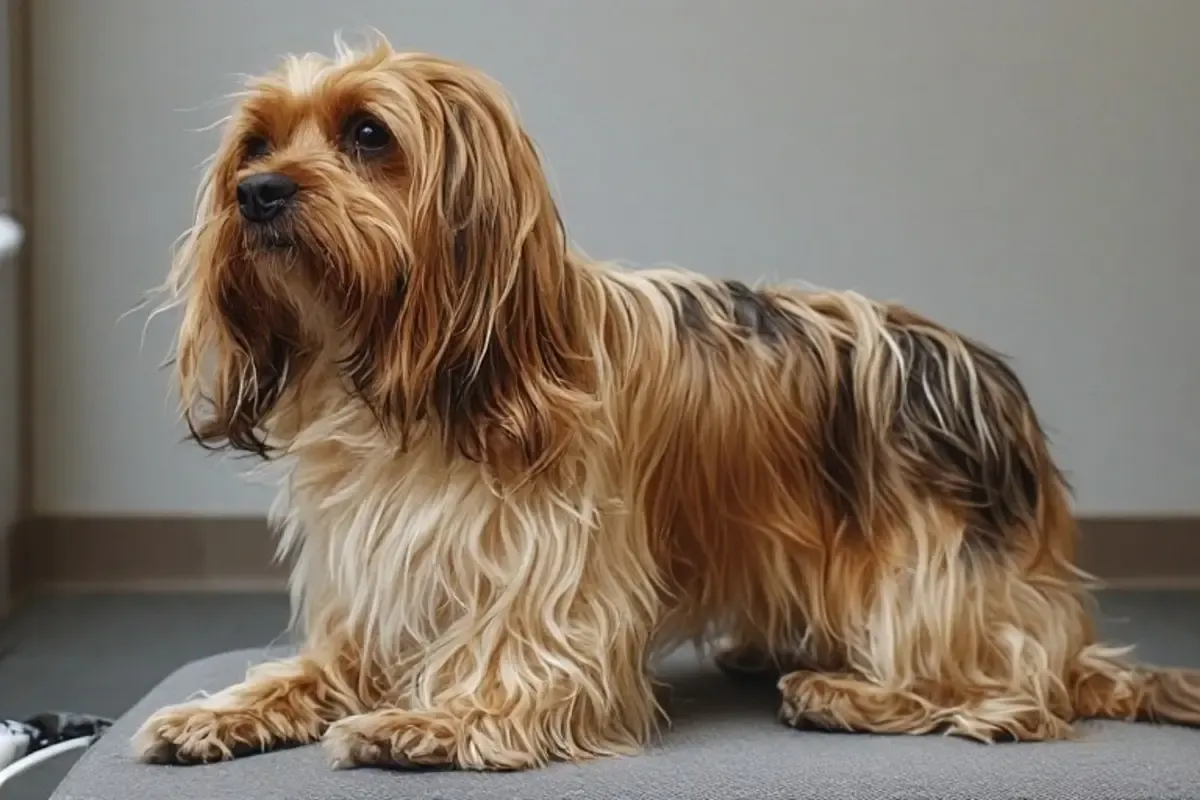
Introduction to Long-Haired Dog Care
Long-haired dogs are beautiful to look at. Breeds like Golden Retrievers, Poodles, and Shih Tzus have stunning, flowing coats. However, these long locks require more than just a quick look in the mirror. To keep your dog happy, you must understand their specific needs.
How Often Should You Groom a Long-Haired Dog?
Most long-haired dogs should be brushed at least 3–4 times per week. Breeds with continuously growing coats, such as Shih Tzus and Maltese dogs, often require daily brushing to prevent mats and tangles.
Key Takeaways
- Long-haired dogs require regular grooming to prevent painful mats, skin irritation, and excessive shedding.
- A slicker brush, undercoat rake, and stainless steel comb are essential grooming tools for most long-haired breeds.
- Line brushing helps remove tangles close to the skin and is one of the most effective ways to prevent matting.
- High-friction areas such as the ears, armpits, belly, and hocks should be checked daily for knots.
- Always brush your dog’s coat before bathing to prevent tangles from tightening into mats.
- Long-haired dogs should be dried completely after baths to reduce the risk of skin infections and unpleasant odors.
- Severe matting, also known as a pelted coat, often requires professional grooming.
- Regular grooming allows owners to spot skin problems, fleas, ticks, and other health concerns early.
- Positive reinforcement and treats can make grooming sessions less stressful for dogs.
- Consistent grooming improves coat health, comfort, and overall well-being.
Long-Haired Dog Care at a Glance
| Task | Frequency |
|---|---|
| Brushing | 3–7 times weekly |
| Bathing | Every 4–6 weeks |
| Nail Trimming | Every 3–4 weeks |
| Ear Checks | Weekly |
| Hygiene Trim | Monthly |
| Professional Grooming | Every 6–12 weeks |
How a Long Coat Works
A dog’s coat is not just for style. It actually helps them stay healthy. A long coat acts like a house’s insulation. It keeps them warm during the cold winter months. It also protects their skin from the sun’s rays in the summer.
Without proper care, this insulation can stop working. If the hair gets too dirty or tangled, your dog might struggle to stay cool. This is why keeping the fur clean is a top priority for pet parents.
Grooming for Better Health
Regular grooming is a major part of your dog’s overall health. When you brush your dog, you help spread natural oils across their skin. These oils keep their coat shiny and prevent dry, itchy skin. Brushing also helps you find hidden problems.
Long hair can easily hide small bumps, ticks, or even minor injuries. By brushing your pet every few days, you can catch these issues early. This helps your dog stay comfortable and prevents expensive trips to the vet.
The Challenge of Long Hair
Caring for a long-haired dog is about more than just looking neat. One of the biggest challenges is matting. Mats are tight knots of fur that happen when loose hair gets tangled. These knots can pull on the skin and cause pain.
A quick surface brush usually isn’t enough to stop mats. You have to reach the layers of fur closest to the skin. If you ignore these tangles, they can trap moisture and lead to skin infections. Taking the time for a deep brush ensures your dog stays pain-free and healthy.
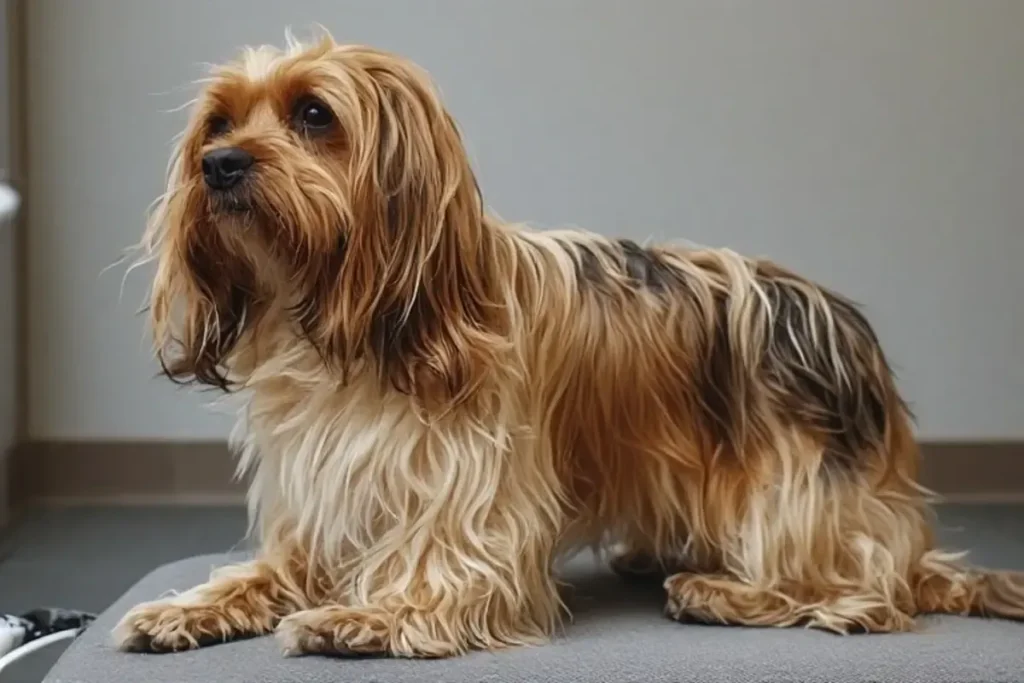
Table of Contents
The Essential Grooming Toolkit
To keep a long coat beautiful, you need the right tools. Think of it like a professional chef’s kitchen. You need specific items for specific jobs to get the best results.
The Slicker Brush for Daily Maintenance
A slicker brush is your most important tool for daily care. It has a flat or curved head with rows of thin, wire pins. These pins grab loose hair and surface dirt before they can cause trouble.
Use this brush every day to keep the top layer of fur smooth. It is the best way to keep your dog looking fluffy and clean. Regular use prevents small tangles from turning into thick clumps.
The Undercoat Rake for Shedding
Many long-haired breeds have a hidden layer of fur called an undercoat. This thick layer is usually the main cause of heavy shedding. An undercoat rake has long, sturdy teeth that reach deep into the coat.
The rake pulls out dead hair from the bottom layer without hurting the skin. Using this tool once a week helps manage the hair that usually ends up on your furniture. It is the secret to a much cleaner home.
The Stainless Steel Greyhound Comb
Every owner needs a high-quality stainless steel greyhound comb. These combs are made of strong metal and have two different tooth spacings. They are the best tool for a final check of your dog’s coat.
After you brush, run the comb through the fur from the skin to the ends. If the comb glides through easily, you know the coat is clear. If it catches, you have found a hidden knot that needs your attention.
Detangling Sprays for Comfort
Brushing dry hair can cause the fur to snap or break. It can also pull on the skin and cause your dog pain. A detangling spray works like a leave-in conditioner to make the hair slippery.
Lightly mist your dog’s coat before you begin your grooming session. The spray helps your tools slide through the hair without tugging. This makes the experience much more relaxing and comfortable for your pet.
Mastering the Brushing Technique
Now that you have your tools, you need the right technique. Brushing a long-haired dog is about more than just a quick pass over the top. You must reach the skin to prevent painful tangles and mats.
The Power of Line Brushing
The best way to reach the skin is a method called line brushing. To start, use one hand to push the hair upward. This should reveal a line of skin. Use your other hand to brush a small amount of hair downward.
Work in small rows, moving from the bottom of the body upward. This method ensures you catch every single knot. It also helps you see the skin clearly to check for any red spots or dry patches.
Watch the High-Friction Zones
Certain parts of your dog’s body get tangled much faster than others. These are called high-friction zones. These spots rub together whenever your dog walks, plays, or sleeps.
Always pay extra attention to the fur behind the ears and under the armpits. The “hocks,” which are the back parts of the lower legs, are also prone to thick mats. Checking these areas daily can save your dog from a lot of discomfort later.
Groom One Section at a Time
Grooming a long-haired dog can feel like a giant task for both of you. Do not try to finish the whole body in one sitting if your dog is restless. Instead, break the job into small, manageable sections.
You might brush one side of the body in the morning and the other in the evening. This prevents your dog from feeling overwhelmed or stressed. Staying calm and taking breaks makes the experience a positive bonding time for you and your pet.
Safe Mat Removal and Prevention
Sometimes, despite your best efforts, tangles still happen. When a small knot turns into a thick clump, it becomes a mat. Dealing with these requires a gentle touch and the right strategy.
The ‘Search and Rescue’ Method
Before you pick up a brush, perform a search and rescue mission with your hands. Run your fingers through your dog’s coat to find hidden tangles. Feel for small lumps near the skin, especially in areas where the fur moves a lot.
Finding these spots early prevents them from getting tighter. If you find a small knot, you can often tease it apart with your fingers. This saves your dog from a long and painful brushing session later.
How to Use a De-matting Tool Safely
If a knot is too tight for fingers, you may need a de-matting tool. These tools have sharp, curved blades designed to slice through the knot. You must use them with great care to avoid hurting your pet.
Always place your fingers between the tool and your dog’s skin. Hold the base of the hair firmly so the tool doesn’t pull on the skin. Use short, picking motions rather than long, heavy strokes. For more advice on handling tough coats, the American Kennel Club offers great safety tips for home groomers.
The Danger of Household Scissors
It is very tempting to grab kitchen scissors to snip out a stubborn mat. However, you should never use household scissors on your dog. A dog’s skin is very thin and can easily get caught in the blades.
Even a small move from your dog can lead to a serious injury. Many vet visits happen because owners try to cut out a mat at home. If a mat is flush against the skin, it is much safer to let a professional groomer handle it.
The Cornstarch DIY Hack
If you are struggling with a stubborn tangle, look in your kitchen pantry. Cornstarch is a fantastic DIY tool for loosening mats. It acts like a natural lubricant to reduce friction between the hair strands.
Rub a small amount of cornstarch directly into the knot. Let it sit for a minute, then gently work the knot apart with your fingers or a comb. The powder helps the hair slide apart, making the process much faster and more comfortable for your dog.
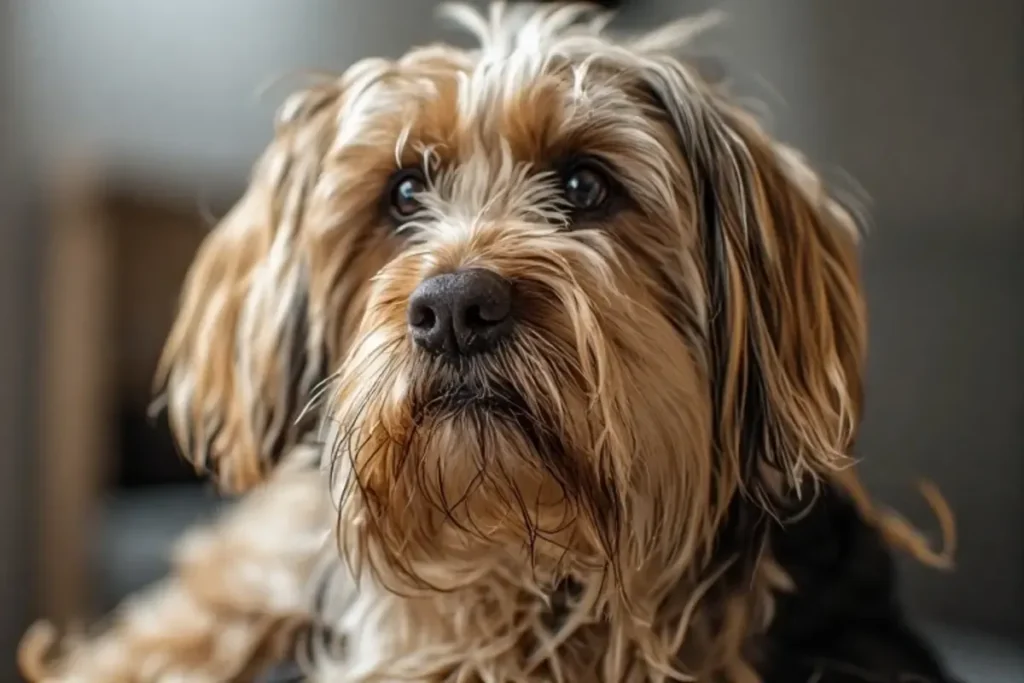
Bathing and Drying Best Practices
Washing your dog is a big job. Water can be the enemy of a long coat if you are not careful. Following these steps will keep the fur clean and the skin healthy.
The ‘Brush-Before-Bath’ Rule
Never put a tangled dog into a bathtub. Water acts like glue on existing knots and makes them tighten. Once a mat gets wet, it is almost impossible to remove without cutting it.
Always perform a full brush-out before you turn on the faucet. Ensure your comb glides through the fur from the skin to the tips. This simple step prevents painful “water mats” from forming during the scrub.
Choose the Right Products
Do not use human shampoo on your pet. A dog’s skin has a different pH level than ours. Using the wrong soap can strip away protective oils and cause irritation.
Pick a pH-balanced shampoo made specifically for dogs. For long-haired breeds, a deep conditioner is also a must. Conditioners flatten the hair cuticle, which helps prevent new tangles from forming after the bath.
The Art of the Rinse
Rinsing is the most important part of the bathing process. Soap left in a long coat can lead to itchy, red skin. It can also make the fur look dull and greasy.
Keep rinsing until the water runs completely clear. Pay close attention to hidden spots like the armpits and belly. If the hair feels slimy or sticky, keep the water running.
Why You Must Blow-Dry
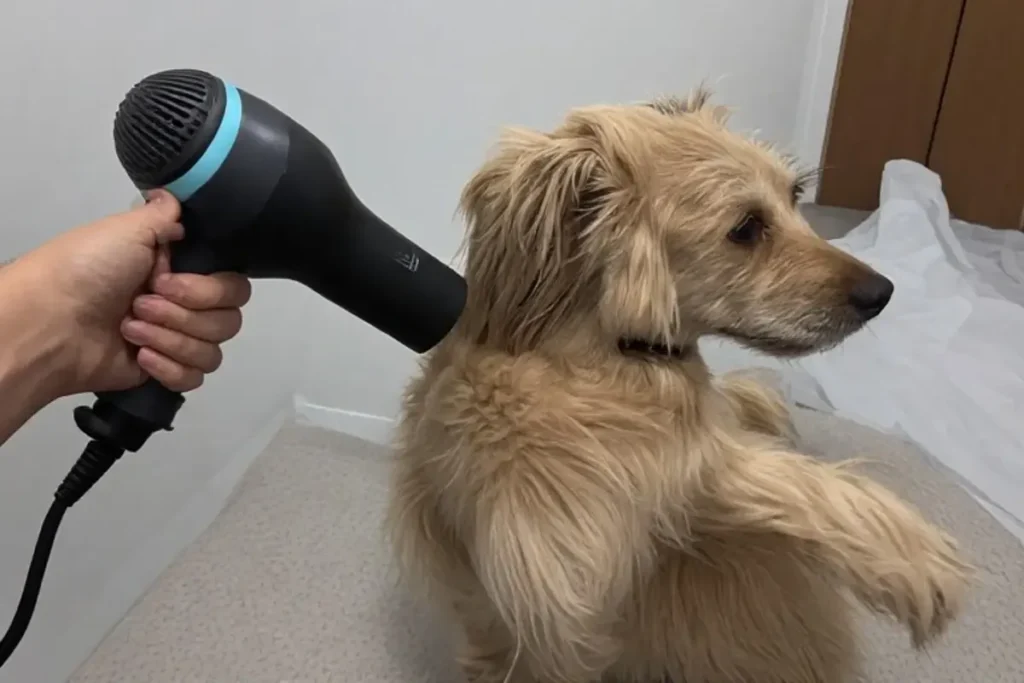
Never let a long-haired dog air dry. A thick coat can stay damp for hours or even days. This trapped moisture creates a perfect home for bacteria and fungus.
Wet fur also leads to that famous “wet dog smell.” Use a blow dryer on a low, cool heat setting. According to the American Kennel Club, you should dry the hair all the way down to the skin.
Keep the Dryer Moving
Hold the dryer a few inches away from the fur. Move it constantly to avoid creating “hot spots” on the skin. Use your fingers to fluff the hair as you dry it.
This process helps you find any small tangles you might have missed. It also ensures the coat dries straight and fluffy. A fully dry dog is a happy, healthy, and sweet-smelling companion.
Health Monitoring and Professional Maintenance
Grooming is about more than just a pretty coat. It is your best chance to check your dog’s health from head to tail. Because long hair hides the skin, you must be the one to look for hidden trouble.
Spotting Skin Issues and Parasites
While you brush, move the fur aside to see the skin clearly. Look for red, moist, or swollen patches. These are often called hot spots. They can start from a small scratch and grow quickly if you do not find them.
You should also look for tiny, dark moving dots or flea dirt. Fleas and ticks love to hide in deep, long fur where they stay warm. Finding these pests early prevents skin infections and keeps your home clean. If you notice your dog scratching a specific spot, pay extra attention to that area during your session.
The Benefits of Routine Hygiene Trims
A long coat can be a magnet for dirt and germs. To keep things clean, many owners use “hygiene trims.” This means keeping the hair short around the paws and the belly. Shorter hair in these areas stops mud and burrs from sticking to your dog after a walk.
It is also important to trim the “sanitary areas” under the tail. This prevents waste from getting trapped in the fur, which can lead to bad smells and skin sores. For more tips on keeping these areas clean, the American Kennel Club provides great advice on managing skin health through proper care.
Knowing When a Coat is ‘Pelted’
Sometimes, despite your best efforts, the fur becomes too tangled to brush. When mats become so thick that they form a solid layer against the skin, it is called pelting. A pelted coat feels hard like a thick carpet. It stops air from reaching the skin and causes a lot of pain.
If you cannot see the skin through the mats, do not try to brush them out. Pulling on pelted hair can bruise or tear your dog’s thin skin. This is the time to call a professional groomer. They have the training and tools to safely shave the coat and give your dog a fresh, healthy start.
Long-Haired Dog Breed Grooming Comparison Table
Different long-haired breeds have different grooming needs. Some require daily brushing, while others can be maintained with a few sessions each week. Use the table below as a quick reference guide.
| Breed | Brushing Frequency | Bath Frequency | Shedding Level | Grooming Difficulty |
|---|---|---|---|---|
| Golden Retriever | 3–4 times per week | Every 4–6 weeks | High | Moderate |
| Shih Tzu | Daily | Every 3–4 weeks | Low | High |
| Afghan Hound | Daily | Weekly | Moderate | Very High |
| Yorkshire Terrier | Daily | Every 2–4 weeks | Low | High |
| Maltese | Daily | Every 3–4 weeks | Low | High |
| Havanese | 3–5 times per week | Every 3–4 weeks | Low | Moderate |
| Collie | 2–3 times per week | Every 4–8 weeks | High | Moderate |
| Old English Sheepdog | Daily | Every 4–6 weeks | Moderate | Very High |
| Cocker Spaniel | 3–4 times per week | Every 4–6 weeks | Moderate | Moderate |
| Bernedoodle | 3–7 times per week | Every 4–6 weeks | Low to Moderate | High |
Common Long-Haired Dog Grooming Mistakes
- Bathing before brushing
- Using human shampoo
- Ignoring undercoat removal
- Letting coats air dry
- Skipping high-friction areas
- Cutting mats with scissors
- Waiting until the mats become severe
How Much Does Long-Haired Dog Grooming Cost?
| Service | Typical Cost |
|---|---|
| Bath & Brush | $30–$70 |
| Full Groom | $60–$150+ |
| De-Matting | Additional $20–$100 |
| Nail Trim | $10–$25 |
Glossary of Long-Haired Dog Grooming Terms
Coat
The layer of fur that covers a dog’s body. A healthy coat helps regulate body temperature, protect the skin, and provide insulation from weather conditions.
Double Coat
A coat consisting of two layers: a soft undercoat for insulation and a protective outer coat called the topcoat. Breeds such as Golden Retrievers, Border Collies, and Collies have double coats.
Undercoat
The dense layer of fur beneath the topcoat. It helps keep dogs warm in cold weather and is often responsible for seasonal shedding.
Topcoat
The outer layer of fur that protects a dog’s skin from dirt, moisture, sunlight, and environmental damage.
Shedding
The natural process of old or damaged fur falling out and being replaced by new hair growth. Shedding levels vary significantly between breeds.
Mat
A tangled clump of fur that forms when loose hair becomes knotted together. Mats can pull on the skin, cause discomfort, and trap moisture.
Pelting
A severe form of matting where the coat becomes a solid, dense layer against the skin. Pelted coats often require professional grooming or shaving.
Line Brushing
A grooming technique that involves brushing small sections of fur from the skin outward. Line brushing helps remove hidden tangles and prevents mats from forming close to the skin.
Slicker Brush
A grooming brush with fine wire pins designed to remove loose fur, dirt, and small tangles from the coat.
Undercoat Rake
A grooming tool with long teeth that reaches deep into the coat to remove loose undercoat fur without damaging the topcoat.
Greyhound Comb
A durable stainless-steel grooming comb with wide and narrow teeth for checking for hidden tangles after brushing.
De-Matting Tool
A specialized grooming tool designed to break apart mats and stubborn knots while minimizing discomfort for the dog.
Detangling Spray
A conditioning spray used before brushing to reduce friction, loosen knots, and make grooming more comfortable.
High-Friction Areas
Parts of a dog’s body where fur commonly becomes tangled due to movement and rubbing.
Common high-friction areas include:
- Behind the ears
- Under the front legs (armpits)
- Belly
- Tail base
- Hocks
Hocks
The joint area on a dog’s rear legs that is similar to a human ankle. Hocks are a common location for mat formation.
Hygiene Trim
A grooming trim around the paws, belly, and sanitary areas to improve cleanliness and reduce dirt buildup.
Sanitary Trim
A trim around the rear end and genital area is designed to prevent waste, urine, and debris from becoming trapped in the fur.
Hot Spot
A red, irritated, and often painful area of skin caused by excessive licking, scratching, moisture, allergies, or skin infections.
Flea Dirt
Small black specks found in a dog’s coat consist of flea waste. Flea dirt is often one of the first signs of a flea infestation.
Tick
A small external parasite that attaches to a dog’s skin and feeds on blood. Regular grooming helps detect ticks before they cause health problems.
Coat Blow
A period of heavy seasonal shedding, when a dog rapidly loses large amounts of undercoat fur.
Water Mat
A mat that becomes tighter after getting wet. This commonly happens when a tangled dog is bathed before being thoroughly brushed.
Dog Conditioner
A grooming product that helps moisturize the coat, reduce tangles, and improve manageability after bathing.
pH-Balanced Dog Shampoo
A shampoo specifically formulated for canine skin. It helps clean the coat without stripping natural oils or causing irritation.
Blow Drying
The process of drying a dog’s coat completely after bathing to prevent trapped moisture, odors, and skin problems.
Air Drying
Allowing a dog’s coat to dry naturally without using a dryer. Air drying is generally not recommended for thick or long-haired coats because moisture can remain trapped near the skin.
Professional Groomer
A trained pet-care professional who provides services such as bathing, brushing, trimming, de-matting, nail clipping, and coat maintenance.
Seasonal Shedding
The increased loss of fur during certain times of the year, often occurring in spring and autumn as dogs adjusting to changing temperatures.
Coat Maintenance
The routine care required to keep a dog’s coat clean, healthy, tangle-free, and comfortable.
Key Grooming Terms at a Glance
| Term | Simple Definition |
|---|---|
| Mat | Tangled knot of fur |
| Pelting | Severe matting covering the skin |
| Undercoat | Dense insulating fur layer |
| Topcoat | Protective outer fur layer |
| Line Brushing | Brushing from the skin outward |
| Slicker Brush | Brush for loose fur and tangles |
| Undercoat Rake | Tool for removing dead undercoat |
| Hygiene Trim | Trim for cleanliness around paws and sanitary areas |
| Hot Spot | Irritated, inflamed area of skin |
| Water Mat | Mat that tightens after becoming wet |
Frequently Asked Questions About Long-Haired Dog Care
How often should I brush a long-haired dog?
Most long-haired dogs should be brushed at least three to four times per week. Breeds with continuously growing coats, such as Shih Tzus and Maltese dogs, often benefit from daily brushing to prevent mats and tangles.
Can I shave my long-haired dog during the summer?
Not always. Many long-haired breeds have double coats that help regulate body temperature. Shaving these breeds may interfere with their natural insulation. Consult a professional groomer or veterinarian before shaving your dog’s coat.
What causes mats in a dog’s coat?
Mats form when loose fur becomes tangled and twists together. Moisture, dirt, friction, and infrequent brushing all contribute to mat formation. Areas behind the ears, under the legs, and around the tail are especially prone to matting.
Is it okay to cut out mats with scissors?
Using household scissors is not recommended. A dog’s skin is thin and can easily be cut accidentally. Small tangles can often be worked out with a comb or de-matting tool, while severe mats should be handled by a professional groomer.
How often should I bathe a long-haired dog?
Most long-haired dogs do well with a bath every four to six weeks. Dogs that spend a lot of time outdoors or have skin conditions may require a different schedule based on veterinary advice.
Do long-haired dogs need conditioner?
Yes. A quality dog conditioner helps reduce tangles, improve coat softness, and prevent breakage. Conditioner is particularly helpful for breeds with silky or continuously growing coats.
Should I blow-dry my dog after a bath?
Yes. Long-haired dogs should be dried thoroughly after bathing. Damp fur can trap moisture against the skin, increasing the risk of odors, hot spots, and skin infections.
What is line brushing?
Line brushing is a grooming technique where the coat is brushed in small sections from the skin outward. This method ensures hidden tangles are removed and helps prevent mats from forming close to the skin.
How do I know if my dog has a pelted coat?
A pelted coat occurs when mats become so dense that they form a solid layer against the skin. The fur may feel hard, thick, or carpet-like. In severe cases, professional grooming is usually the safest solution.
What are the most common grooming mistakes owners make?
Common mistakes include skipping regular brushing, bathing a tangled coat, using human shampoo, allowing the coat to air dry, and ignoring high-friction areas such as the ears, armpits, and hocks.
Can long-haired dogs be low-shedding?
Yes. Some long-haired breeds, such as Maltese, Havanese, and Poodles, shed very little. However, low-shedding coats often require more grooming because loose hairs become trapped within the coat and can form mats.
How can I make grooming less stressful for my dog?
Keep sessions short, use positive reinforcement, offer treats, and introduce grooming tools gradually. Consistent, gentle grooming from an early age helps dogs develop positive associations with brushing and bathing.
Conclusion: Bringing It All Together
Grooming a long-haired dog is a big commitment. It is about more than just keeping them pretty. Regular care keeps your dog comfortable and healthy. By following a routine, you can make this job easy and fun for both of you.
Make Grooming a Rewarding Experience
Many dogs feel nervous when they see a brush. You can change this by using treats and praise. Give your dog a small, tasty treat after every few brush strokes. Use a calm, happy voice to tell them they are doing a great job.
This creates a positive association with grooming. Your dog will start to look forward to their “spa time.” If your dog gets restless, stop and try again later. Keeping the sessions short and sweet builds trust over time.
Your Grooming Schedule at a Glance
Staying organized is the best way to prevent mats. Use this summary to keep your dog’s coat in top shape.
Daily Habits:
- Use a slicker brush to clear the top layer of fur.
- Check “high-friction” spots like the armpits and ears for tangles.
- Reward your dog with treats to keep them happy.
Monthly Tasks:
- Give a full bath using dog-specific shampoo and conditioner.
- Blow-dry the coat completely to prevent skin issues.
- Perform a “hygiene trim” around the paws and tail.
- Check the skin for bumps, redness, or pests.
Consistency is the secret to a happy, long-haired dog. When you groom often, you prevent painful mats before they start. You also get to spend quality time with your best friend. Your dog will feel better, smell better, and look amazing!
Leave a Reply
You must be logged in to post a comment.